


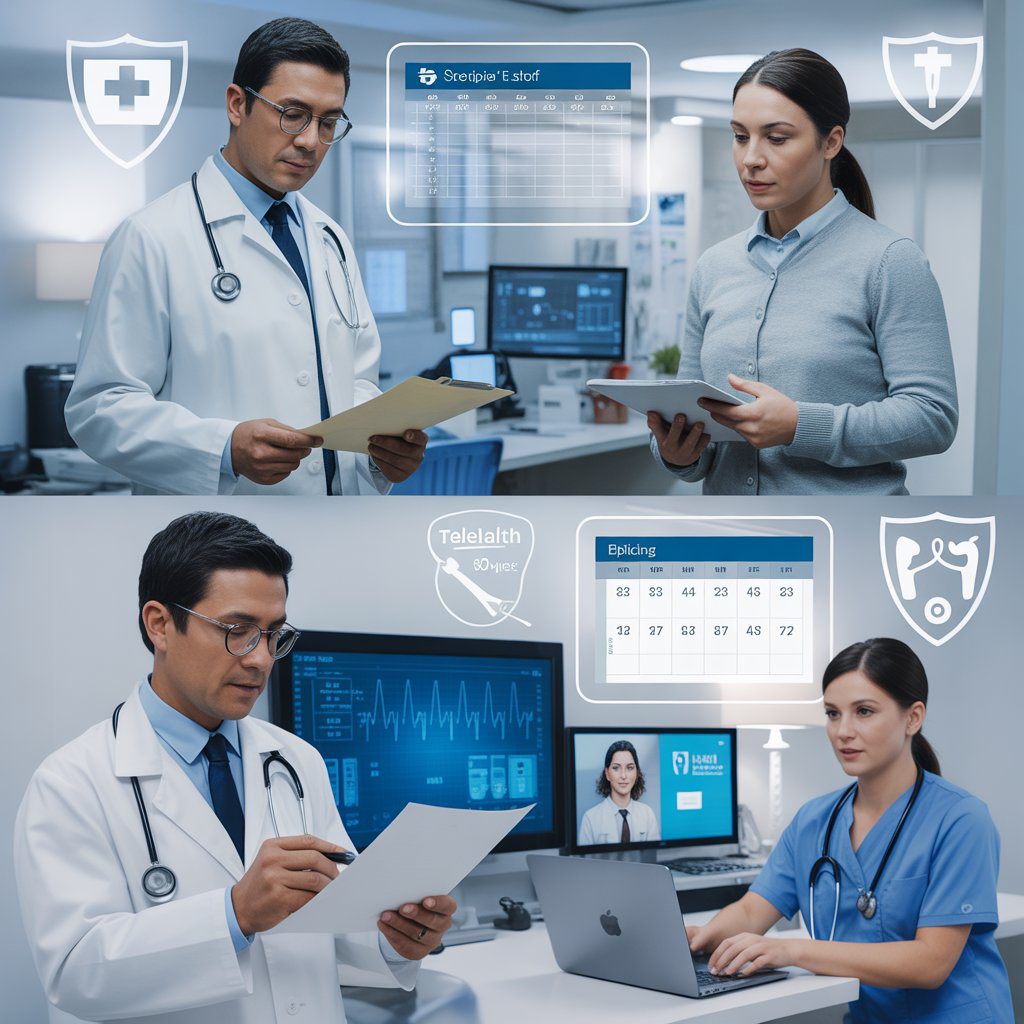
Introduction: Bridging the Gap Between Clinical and Administrative Operations
In today’s healthcare environment, seamless coordination between clinical and administrative teams is more than just a goal—it’s a necessity. Patient care is no longer confined to the exam room; it extends across scheduling, documentation, billing, follow-ups, and telehealth interactions. Any breakdown in communication or workflow between clinical staff and administrative personnel can lead to delayed treatment, errors in documentation, billing discrepancies, and ultimately, a compromised patient experience.
Healthcare organizations are increasingly adopting structured approaches to improve collaboration, leveraging both technology and strategic workforce solutions. Virtual medical assistant services have emerged as a vital resource in this regard, providing specialized remote administrative support while ensuring alignment between clinical teams and office operations. These services help maintain smooth workflows, manage patient interactions efficiently, and facilitate real-time communication between departments.
This article explores how healthcare practices can ensure seamless coordination between clinical and administrative teams, the role of virtual medical assistants in bridging operational gaps, and the measurable benefits of an integrated, collaborative healthcare environment. By the end of this discussion, readers will understand the critical steps to optimize workflows, reduce inefficiencies, and improve both provider and patient satisfaction.
Understanding the Need for Coordination in Healthcare
Effective healthcare delivery relies on the synchronization of clinical and administrative processes. Clinical teams focus on patient diagnosis, treatment, and care management, while administrative teams handle scheduling, documentation, billing, insurance coordination, and regulatory compliance. Misalignment between these functions can create a host of challenges:
- Delays in patient appointments and follow-ups
- Incomplete or inaccurate medical records
- Billing errors and claim denials
- Reduced provider productivity
- Decreased patient satisfaction
Coordination ensures that administrative tasks support clinical operations rather than obstruct them. Structured workflows, clear role definitions, and communication protocols are essential to achieving operational harmony.
Key Challenges in Clinical-Administrative Collaboration
Despite the importance of integration, healthcare practices often face obstacles:
- Fragmented Communication Channels – Clinical and administrative teams may use separate systems for scheduling, patient data, and documentation, creating silos.
- Manual Processes and Redundancy – Repetitive administrative tasks, such as appointment confirmations or data entry, can slow down workflows and increase the likelihood of errors.
- Overloaded Staff – Both clinical and administrative staff may be stretched thin, making timely coordination difficult.
- Complex Regulatory Compliance – Ensuring HIPAA compliance, accurate coding, and proper documentation requires constant attention from both teams.
- Inefficient Task Allocation – Without clear delegation, physicians may end up performing administrative tasks that could be managed by trained support staff.
Addressing these challenges requires a combination of technology, workflow optimization, and specialized support, such as virtual medical assistant services.
The Role of Virtual Medical Assistant Services
Virtual medical assistants act as a bridge between clinical and administrative teams. Their trained expertise allows them to handle a wide range of tasks remotely, ensuring that both teams remain aligned and workflows remain uninterrupted.
Key contributions include:
- EHR Management: Updating patient charts, entering lab results, and ensuring records are complete and accurate
- Scheduling and Coordination: Managing appointments, referrals, and telehealth sessions to optimize patient flow
- Billing and Claims Support: Verifying insurance eligibility, submitting claims, and managing denials to reduce financial delays
- Patient Communication: Sending reminders, answering inquiries, and providing follow-ups to enhance patient engagement
- Data Reporting: Generating reports on operational metrics, clinical performance, and administrative efficiency
By centralizing these tasks, virtual medical assistants reduce the risk of miscommunication, prevent delays, and create a more synchronized work environment.
Strategies for Smooth Coordination
Healthcare organizations can adopt several strategies to improve collaboration between clinical and administrative teams:
1. Integrated Technology Platforms
Using cloud-based EHRs and practice management software allows both teams to access real-time data. Integration ensures that updates made by administrative staff—such as appointment confirmations or billing information—are instantly visible to clinicians, reducing confusion and redundancy.
2. Clear Role Definition
Defining responsibilities for clinical staff, administrative personnel, and virtual medical assistants prevents task overlap. For example, physicians focus on patient care, while administrative support manages documentation, scheduling, and billing.
3. Standardized Communication Protocols
Regular team huddles, shared messaging systems, and structured workflows help maintain alignment. This is particularly important in multi-location practices or telehealth services.
4. Automation of Routine Tasks
Automating repetitive administrative tasks—such as appointment reminders, insurance verification, and data entry—frees both clinical and administrative staff to focus on higher-value responsibilities.
5. Performance Monitoring and Feedback
Tracking key performance indicators (KPIs) such as appointment adherence, documentation completeness, and claims approval rates helps teams identify bottlenecks and adjust workflows proactively.
Benefits of Enhanced Coordination
When clinical and administrative teams work seamlessly, healthcare practices experience numerous advantages:
- Improved Patient Experience: Timely appointments, accurate records, and responsive communication increase patient satisfaction.
- Reduced Errors: Accurate documentation and streamlined workflows minimize mistakes in patient care and billing.
- Increased Staff Productivity: Physicians and administrative staff can focus on their core responsibilities without interruptions.
- Financial Efficiency: Proper billing, insurance verification, and claims management enhance revenue cycle performance.
- Regulatory Compliance: Coordinated processes ensure HIPAA and other compliance standards are consistently met.
Case Study: Virtual Medical Assistants in Action
Consider a multi-specialty clinic struggling with delayed documentation, claim denials, and mismanaged patient scheduling. Implementing virtual medical assistant services allowed the clinic to:
- Centralize documentation updates across all departments
- Automate appointment reminders and telehealth coordination
- Streamline prior authorizations and insurance claims
- Generate real-time operational reports for management
Within three months, the clinic observed reduced claim denials, improved appointment adherence, and higher physician satisfaction, demonstrating the tangible benefits of integrating remote administrative support.
Overcoming Challenges in Coordination
Even with strategic support, healthcare practices must navigate potential hurdles:
- Resistance to Change: Staff may initially be hesitant to adopt new systems or workflows. Addressing concerns through training and clear communication is crucial.
- Data Security Concerns: Ensuring HIPAA-compliant practices for remote assistants and digital systems is mandatory.
- System Integration Issues: Selecting interoperable platforms is critical to avoid data silos and workflow disruptions.
Proactive planning, staff engagement, and continuous monitoring are essential to overcoming these obstacles.
Future Trends in Team Coordination
The future of healthcare coordination will be shaped by:
- Advanced Automation: AI-driven scheduling, documentation, and billing will reduce manual workload further.
- Telehealth Expansion: Coordination tools will become critical for multi-location and remote patient care.
- Data Analytics: Predictive analytics will identify bottlenecks before they impact workflow.
- Expanded Remote Support: Virtual medical assistant services will increasingly handle specialty-specific administrative tasks, enhancing team collaboration.
By embracing these trends, healthcare organizations can maintain efficient operations while preparing for future growth.
Conclusion: Achieving Seamless Collaboration
Smooth coordination between clinical and administrative teams is essential for high-quality, efficient healthcare delivery. Implementing strategic administrative support, including virtual medical assistant services, ensures that workflows are streamlined, tasks are properly delegated, and communication is continuous.
When teams work in harmony:
- Physician workload decreases
- Patient care improves
- Operational efficiency rises
- Revenue cycle performance strengthens
- Staff satisfaction and retention increase
Healthcare organizations that prioritize integrated coordination are better positioned to deliver exceptional care while maintaining sustainable operations. Ensuring smooth collaboration is not just an operational improvement—it is a cornerstone of modern, patient-centered healthcare.


