


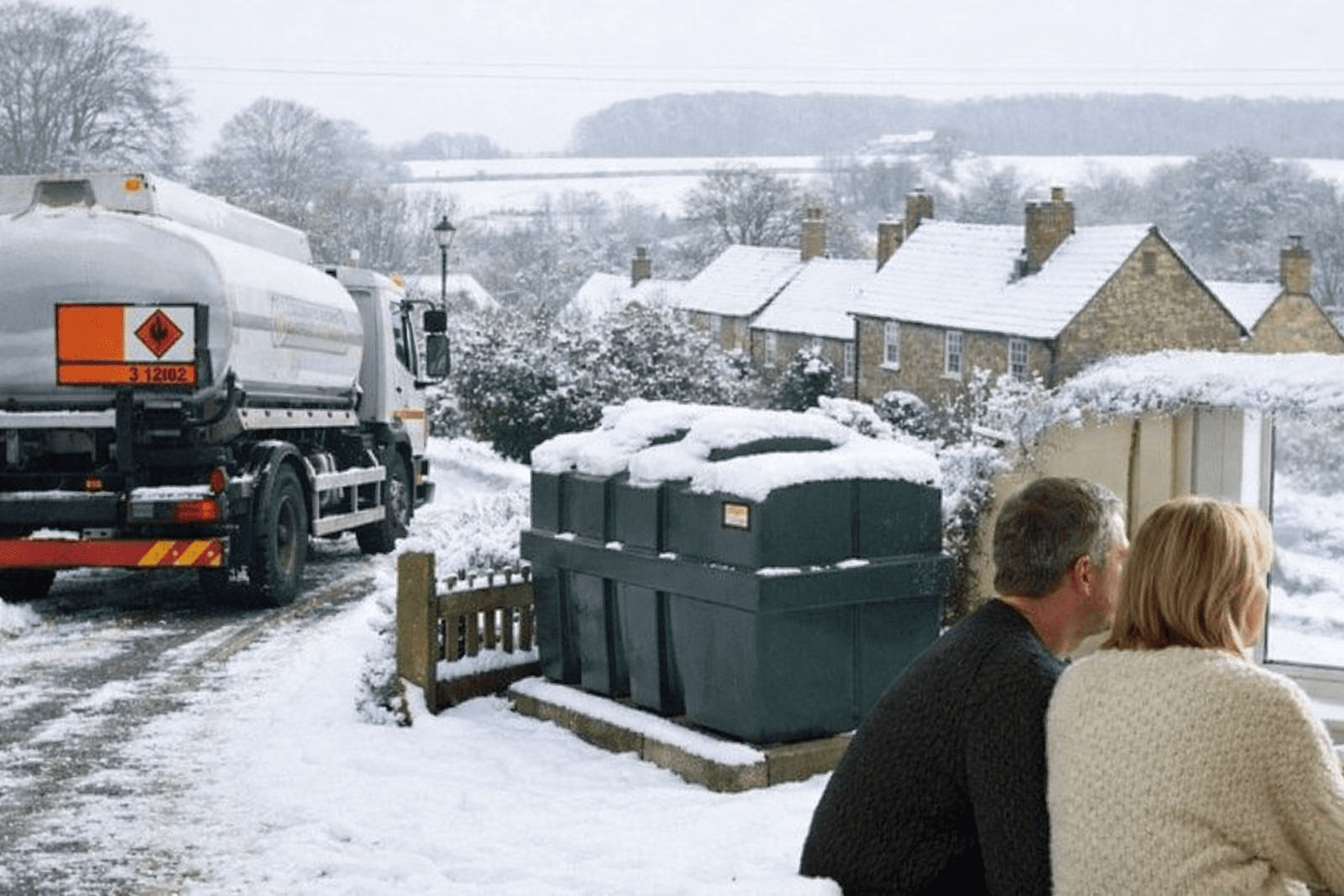
Winter in the United Kingdom isn’t just about cosy jumpers, hot drinks, and festive lights. For many households—especially those relying on heating oil—it also brings a quieter, more personal challenge: winter anxiety.
This emotional response, driven by colder temperatures, rising energy costs, and uncertainty about supply, plays a powerful role in how and when people buy heating oil. After two decades of writing about consumer behaviour and seasonal markets, one pattern stands out clearly: winter anxiety doesn’t just affect moods—it reshapes purchasing decisions.
Let’s explore how this happens, why it matters, and what UK homeowners can do to stay ahead of the stress.
Understanding Winter Anxiety: More Than Just Seasonal Blues
Winter anxiety is not always clinical. For most people, it shows up as persistent worry, restlessness, or a sense of urgency once the days grow shorter and the nights colder.
In oil-heated homes, this anxiety is often triggered by three core fears:
- Running out of fuel during a cold snap
- Unexpected price increases
- Delivery delays caused by weather or high demand
Add reduced daylight and financial pressures to the mix, and it becomes clear why winter feels overwhelming for so many households.
Weather warnings from organisations like the Met Office often amplify this concern. Even a forecast of prolonged frost can push homeowners into panic-buying mode.
The Psychology Behind Heating Oil Purchases in Winter
Heating oil buying isn’t purely logical—it’s emotional.
Here’s how winter anxiety typically influences behaviour:
1. Panic Buying During Cold Spells
When temperatures suddenly drop, many people rush to place orders at the same time. This surge in demand can strain local supply chains, leading to:
- Longer delivery windows
- Temporary price hikes
- Limited availability in rural areas
Ironically, the fear of scarcity often creates scarcity.
2. Ordering Smaller, More Frequent Deliveries
Instead of filling tanks in advance, anxious buyers sometimes place smaller orders “just in case.” While this feels safer psychologically, it often costs more over the season and increases stress levels due to repeated monitoring of tank levels.
3. Delaying Purchases in Hope of Lower Prices
On the other end of the spectrum are households who wait, hoping prices will drop. Unfortunately, winter markets rarely reward hesitation. As demand rises, prices usually follow—turning delay into regret.
Why UK Households Feel This Pressure More Intensely
Roughly 1.5 million homes across the UK rely on heating oil, particularly in off-grid and rural areas. Unlike mains gas, heating oil requires active planning.
That responsibility alone creates mental load.
Other uniquely British factors also contribute:
- Unpredictable winter weather
- Narrow country roads affecting deliveries
- Older housing stock with lower insulation
- Rising cost-of-living pressures
Mental wellbeing organisations such as the National Health Service also note that winter months can heighten anxiety for many people, making practical decisions—like fuel purchasing—feel heavier than they should.
How Winter Anxiety Drives Market Trends
From a wider perspective, winter anxiety directly shapes the heating oil market:
- Early cold forecasts lead to sudden spikes in orders
- Media coverage of energy prices increases consumer sensitivity
- Social media stories about delayed deliveries fuel collective worry
Suppliers often see predictable waves: a calm autumn, a frantic early winter, and steady emergency top-ups through January and February.
For consumers, this cycle usually means paying more and stressing more—unless they take proactive steps.
Smart Ways to Reduce Anxiety and Buy Heating Oil More Confidently
The good news? A little planning goes a long way.
Here are practical strategies that experienced homeowners swear by:
Monitor Your Tank Regularly
Don’t wait until levels are critically low. A simple visual check every couple of weeks can prevent last-minute panic.
Buy Earlier in the Season
Late summer and early autumn often offer calmer markets and better availability. Purchasing before winter hits removes much of the emotional pressure.
Aim for Full Tank Refills
Larger, less frequent orders typically provide better value and reduce the mental burden of constant monitoring.
Improve Home Insulation
Simple upgrades—draught proofing, loft insulation, or thicker curtains—can significantly reduce oil consumption and stretch each delivery further.
Budget Monthly for Heating
Setting aside a small amount each month makes winter fuel costs feel manageable instead of overwhelming.
The Emotional Side of Staying Warm
At its heart, heating oil purchasing is about comfort, safety, and peace of mind.
Winter anxiety thrives on uncertainty. When households feel unprepared, every cold evening becomes a reminder of what could go wrong. But when tanks are topped up and plans are in place, winter transforms from something to fear into something to enjoy.
Being proactive doesn’t just protect your home—it protects your mental wellbeing too.
Frequently Asked Questions (FAQ)
What is winter anxiety in relation to heating oil?
Winter anxiety refers to the stress and worry homeowners feel about staying warm, managing costs, and ensuring timely fuel deliveries during colder months.
Why do heating oil prices often rise in winter?
Demand increases sharply when temperatures drop. More people order oil at the same time, which can strain supply and push prices higher.
When is the best time to buy heating oil in the UK?
Late summer or early autumn is generally ideal. Demand is lower, delivery schedules are more flexible, and prices are often more stable.
How can I avoid emergency heating oil purchases?
Regularly check your tank level and reorder when it reaches about one-quarter full. This gives you plenty of buffer time.
Does buying in larger quantities really save money?
In many cases, yes. Full-tank deliveries usually offer better per-litre value and reduce the number of orders you place each year.
Can improving insulation really make a difference?
Absolutely. Better insulation means your home retains heat longer, reducing how quickly you burn through heating oil.
Final Thoughts
Winter anxiety is real—and for heating oil households, it directly affects buying habits, budgets, and peace of mind. But it doesn’t have to control your decisions.
With early planning, regular tank checks, and a clear purchasing strategy, you can stay warm without the stress. Think of heating oil not as a last-minute necessity, but as part of your yearly home care routine.


