


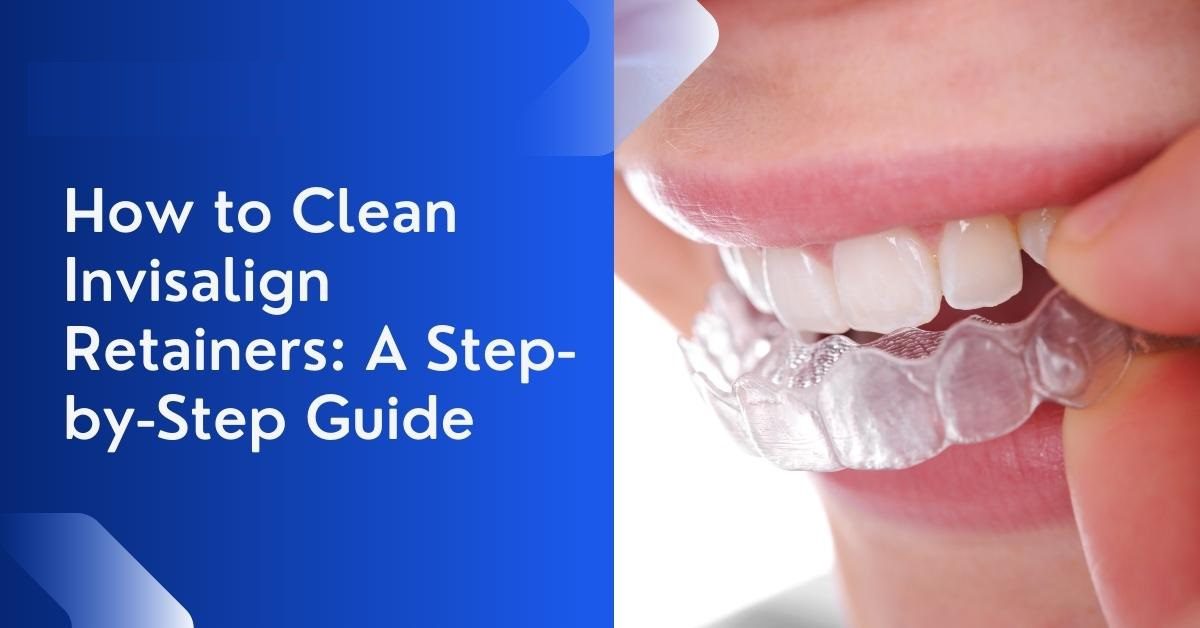
Easy, Safe & Dentist-Approved Methods
Struggling with smelly or cloudy retainers? Learn how to clean retainers at home using simple, safe methods. Step-by-step guide to keep your retainer fresh and long-lasting.
To clean a retainer properly, follow these steps:
- Rinse your retainer with lukewarm water after removing it
- Gently brush it using a soft toothbrush and mild soap
- Avoid toothpaste as it can scratch the surface
- Soak weekly in a retainer cleaner or vinegar solution
- Rinse thoroughly before wearing again
Cleaning your retainer daily and deep cleaning it weekly helps remove bacteria, prevent bad odor, and keep it clear and safe to use.
Why It’s Important to Clean Your Retainer
Understanding how to clean retainers starts with knowing why it matters.
Key Reasons to Keep Retainers Clean:
- Prevent bacteria and germs buildup
- Avoid bad breath and unpleasant taste
- Reduce risk of gum infections
- Keep retainers clear and stain-free
- Extend the life of your retainer
Dirty retainers can directly affect your oral health, so maintaining cleanliness is not optional — it’s essential.
Types of Retainers and Their Cleaning Needs
Before learning how to properly clean retainers, you should know what type you have.
Common Types:
- Clear plastic retainers (Invisalign-style)
- Hawley retainers (metal + acrylic)
- Permanent (bonded) retainers
Each type requires slightly different cleaning methods.
How to Clean a Retainer Daily (Simple Routine)
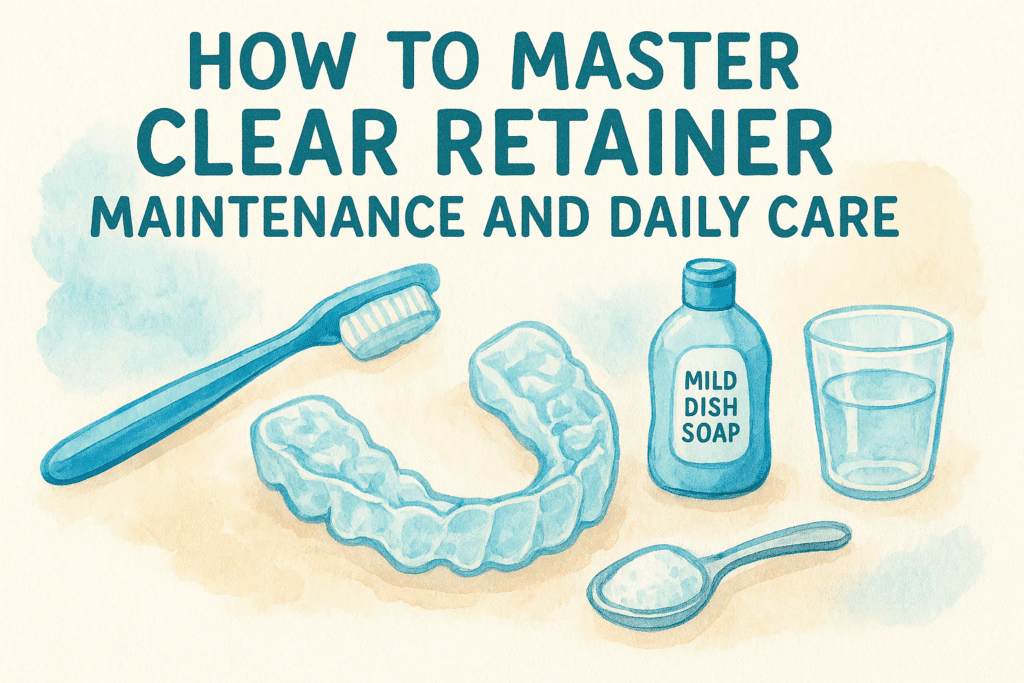
If you’re wondering how to clean my retainer every day, follow this simple routine.
Daily Cleaning Steps:
- Rinse your retainer with lukewarm water after removal
- Use a soft toothbrush to gently scrub
- Apply mild dish soap (not toothpaste)
- Clean all surfaces thoroughly
- Rinse before wearing again
This method works for how to clean plastic retainers and most removable types.
How to Deep Clean a Retainer (Weekly Method)
Daily cleaning is not enough — you also need to know how to deep clean retainers.
Best Deep Cleaning Options:
- Retainer cleaning tablets
- Denture cleaning solutions
- Vinegar and water mixture
- Baking soda paste
Steps for Deep Cleaning:
- Soak the retainer for 15–20 minutes
- Gently brush after soaking
- Rinse thoroughly before use
This is the best approach for how to thoroughly clean retainers and remove stubborn buildup.
How to Clean Retainers at Home (Natural Methods)
If you prefer natural solutions, here’s how to clean retainers at home safely.
Natural Cleaning Methods:
1. Vinegar Solution
- Mix equal parts white vinegar and water
- Soak for 15–20 minutes
- Brush and rinse
Great for how to clean retainers with vinegar
2. Baking Soda Paste
- Mix baking soda with a little water
- Gently scrub the retainer
- Rinse thoroughly
Perfect for how to clean retainers with baking soda
3. Hydrogen Peroxide (Optional)
- Dilute with water
- Soak briefly
- Rinse well
These methods are effective for how to clean dental retainers at home without harsh chemicals.
How to Clean Clear Retainers (Invisalign Retainers)
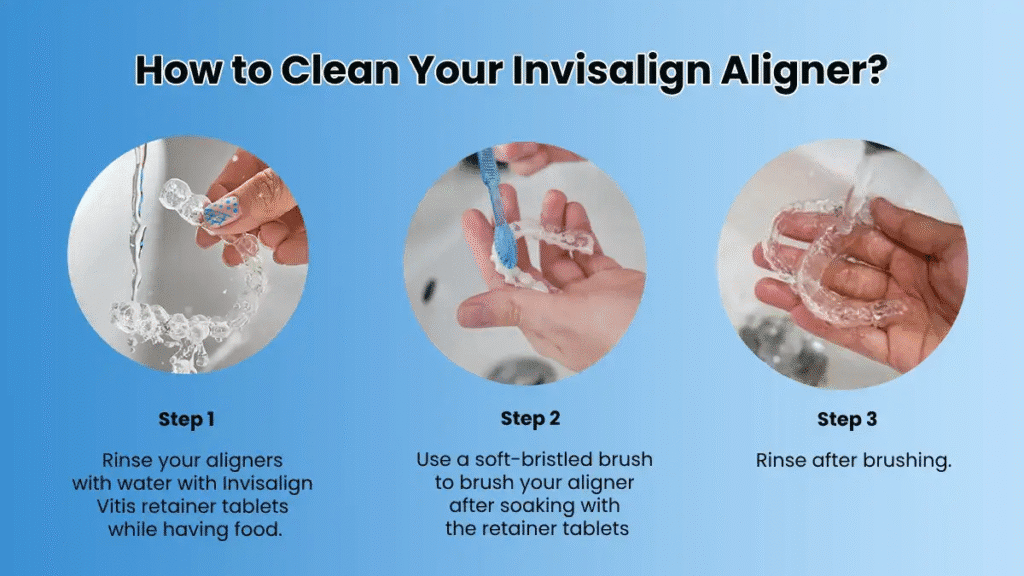
Clear retainers require extra care. If you’re asking how to clean invisalign retainers, follow these tips:
Best Practices:
- Clean immediately after removal
- Use clear, gentle soap
- Avoid colored products
- Soak weekly using retainer cleaner
Tips to Prevent Stains:
- Don’t drink coffee or soda while wearing them
- Always rinse before storing
- Keep them in a clean case
This is essential for how to clean clear retainers and keep them crystal clear.
How to Clean Metal (Hawley) Retainers
If you’re wondering how to clean metal retainers, here’s what to do:
Cleaning Tips:
- Brush acrylic base gently
- Clean around metal wires carefully
- Soak occasionally for deep cleaning
These are durable but still require proper hygiene.
How to Clean Orthodontic Retainers Properly
For general care, here’s how to clean orthodontic retainers the right way:
Do’s:
- Clean daily
- Deep clean weekly
- Store properly
Don’ts:
- Don’t use hot water
- Don’t use toothpaste
- Don’t skip cleaning
What NOT to Use When Cleaning Retainers
Avoid these mistakes when learning how to clean dental retainers:
Never Use:
- Toothpaste (abrasive)
- Boiling water
- Bleach
- Alcohol-based mouthwash
- Dishwasher or microwave
These can damage or warp your retainer.
How Often to Clean Retainers
Many people ask how often to clean retainers.
Recommended Schedule:
- Daily: Basic cleaning
- Weekly: Deep cleaning
- Monthly: Inspection
Consistency is key to maintaining hygiene.
Signs Your Retainer Needs Cleaning
If you’re unsure how to know when to clean your retainer, look for these signs:
Warning Signs:
- Bad odor
- Cloudy appearance
- White buildup
- Bad taste
How to Keep Retainers Clean Long-Term
Knowing how to keep retainers clean helps extend their lifespan.
Helpful Tips:
- Always rinse after use
- Store in a clean case
- Avoid eating with retainers
- Clean your mouth before wearing
How to Clean Retainer Case
Many people forget this step, but it’s important.
Steps:
- Wash case daily with soap and water
- Let it air dry
- Avoid keeping it wet
This prevents bacteria transfer back to your retainer.
How Long Do Retainers Last?
Proper cleaning directly affects durability.
Average Lifespan:
- Clear retainers: 6 months to 2 years
- Hawley retainers: 5–10 years
- Permanent retainers: Long-term
When to Replace Your Retainer
Even with proper care, replacement is necessary.
Replace If:
- Cracked or broken
- Warped shape
- Persistent odor
- Poor fit
Quick Summary
- Clean your retainer daily using mild soap
- Deep clean retainers weekly
- Avoid hot water and toothpaste
- Use natural methods like vinegar or baking soda
- Store retainers in a clean case
- Clean your retainer case regularly
- Replace retainers when damaged
Also Read: How to Get Rid of Double Chin: A Complete, Natural, and Practical Guide
Final Thoughts
Learning how to clean a retainer is essential for maintaining your oral hygiene and protecting your investment in orthodontic care.
By following the right techniques — including daily cleaning, deep cleaning, and proper storage — you can ensure your retainers stay fresh, clear, and long-lasting.
Whether you’re using clear aligners or metal retainers, consistency is the key to keeping them in perfect condition.


