


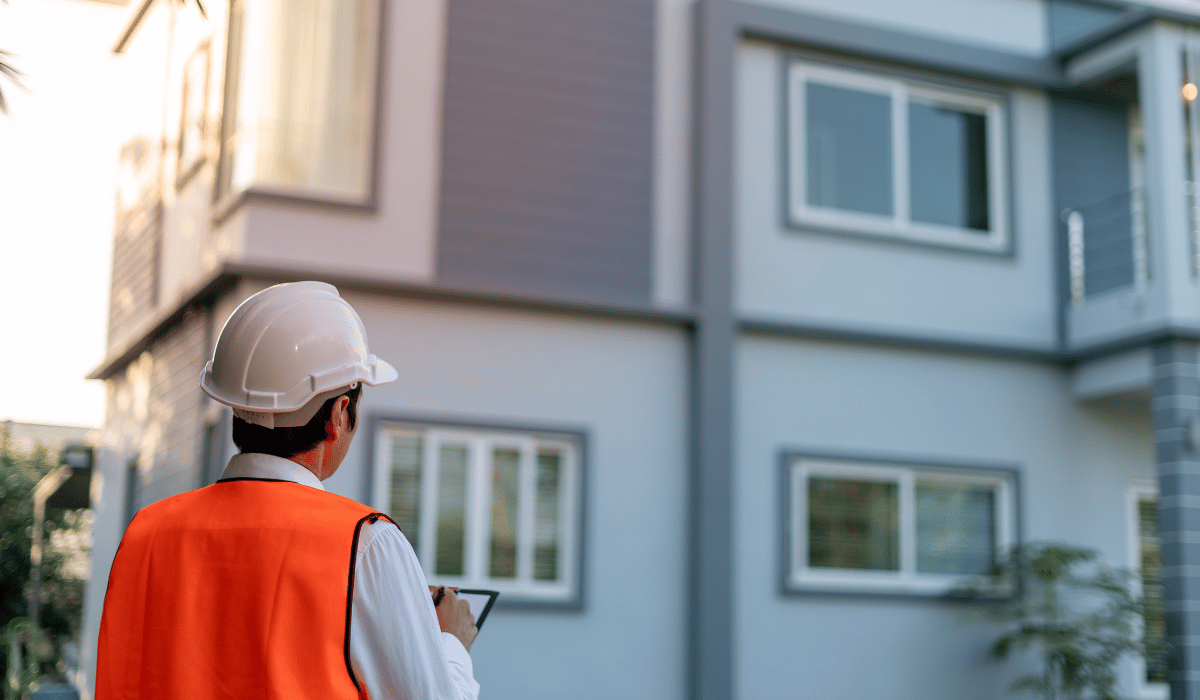
Buying a home is one of the most significant financial decisions you’ll ever make, and in South Florida’s competitive real estate market, things move quickly. You’ve found the perfect property, your offer has been accepted, and now you’re racing against the clock to complete your due diligence. One of the most critical steps in this process is hiring a qualified home inspector who can identify potential issues before you finalize the purchase.
But here’s the challenge: how do you find a trustworthy inspector when you’re working with tight deadlines? The good news is that with the right approach and knowledge, you can locate a reliable professional without sacrificing quality for speed. This guide will walk you through everything you need to know about selecting the right inspector for your South Florida property, ensuring you make an informed decision even when time is of the essence.
Understanding What Home Inspectors Actually Do
Before you start your search, it’s important to understand exactly what you’re hiring someone to do. A home inspection is a comprehensive visual examination of a property’s physical structure and systems, from the foundation to the roof and everything in between.
The Scope of a Standard Inspection
A thorough home inspection typically covers the major systems of a house, including the electrical system, plumbing, HVAC units, roof condition, foundation integrity, and structural components. In South Florida specifically, inspectors should also be well-versed in regional concerns such as moisture intrusion, hurricane damage, termite activity, and issues related to the subtropical climate.
The inspector will examine visible and accessible areas, looking for defects, safety hazards, and signs of deferred maintenance. They’ll check for proper drainage around the foundation, inspect windows and doors for weather sealing (crucial in hurricane-prone areas), and evaluate the condition of major appliances if they’re included in the sale.
What’s Not Included
It’s equally important to know what a standard inspection doesn’t cover. Most inspectors won’t move furniture, go into dangerous areas, or perform destructive testing. Specialized inspections for mold, termites, pools, or septic systems typically require separate professionals with specific expertise. Understanding these limitations upfront helps you know when to request additional evaluations.
Key Qualifications to Look for in South Florida Home Inspectors
Not all home inspectors are created equal, and in Florida, there are specific credentials and qualifications you should verify before hiring anyone.
Licensing and Certification Requirements
Florida requires home inspectors to be licensed by the state, which means they’ve met minimum education requirements, passed an exam, and carry appropriate insurance. When vetting South Florida home inspectors, always verify their license number through the Florida Department of Business and Professional Regulation website. This takes just a few minutes and ensures they’re legally authorized to practice.
Beyond state licensing, look for additional certifications from recognized professional organizations. These certifications often indicate that the inspector has pursued continuing education and adheres to higher standards of practice. Membership in professional associations also suggests a commitment to staying current with industry best practices and new technologies.
Experience with South Florida Properties
South Florida has unique construction characteristics and climate-related challenges that not all inspectors fully understand. Homes built with CBS (concrete block and stucco) construction, properties in flood zones, older buildings with aluminum wiring, and structures that have weathered multiple hurricane seasons all present special considerations.
When evaluating South Florida home inspectors, ask about their specific experience with properties similar to the one you’re purchasing. An inspector who primarily works in your target area will be familiar with common issues affecting homes of that vintage and construction type. They’ll know what to look for and won’t be surprised by regional building practices that might seem unusual to someone from outside the area.
Insurance and Professional Standards
Verify that any inspector you’re considering carries both general liability insurance and errors and omissions (E&O) insurance. This protects you if something is missed during the inspection that later proves costly. Don’t be shy about asking for proof of insurance—any reputable professional will readily provide this documentation.
How to Find Qualified Inspectors Quickly
When you’re working with a short timeline, you need efficient strategies for identifying qualified candidates without compromising on quality.
Leverage Your Real Estate Network
Your real estate agent can be an invaluable resource, as they work with inspectors regularly and know who consistently delivers thorough, professional service. However, remember that your agent works for you, not the other way around. While their recommendations are usually helpful, you should still do your own verification of credentials and qualifications.
Other professionals in your network may also have recommendations. Mortgage lenders, real estate attorneys, and friends who’ve recently purchased homes in the area can all provide referrals based on their personal experiences.
Online Research and Reviews
In today’s digital age, online reviews can provide quick insights into an inspector’s reputation and reliability. Check multiple platforms, including Google Reviews, Yelp, and the Better Business Bureau. Look for patterns in the feedback rather than focusing on a single negative review—every business occasionally deals with an unhappy customer, but consistent complaints about the same issues are red flags.
When reading reviews, pay attention to comments about thoroughness, communication style, report quality, and whether the inspector was able to accommodate tight timelines. Reviews that mention specific details about the inspection process are generally more reliable than vague praise or criticism.
Professional Association Directories
Major home inspection associations maintain searchable directories of their members. These can be excellent starting points for finding South Florida home inspectors who meet higher professional standards. You can typically filter by location, specializations, and availability, making it easier to quickly identify candidates who match your needs.
Questions to Ask Before Hiring
Once you’ve identified a few potential candidates, a quick phone call can help you narrow down your options efficiently. Here are the essential questions that will help you make an informed decision.
Availability and Turnaround Time
Ask directly about their current schedule and when they could conduct your inspection. In South Florida’s fast-paced market, inspectors are often booked several days in advance, but some maintain flexibility for urgent situations. Also inquire about how quickly you’ll receive the written report after the inspection—most provide reports within 24 to 48 hours, but some offer same-day delivery for an additional fee if you’re in a time crunch.
Inspection Process and Duration
Find out how long the inspection typically takes for a property of your size and type. A thorough inspection of an average single-family home usually requires two to four hours, depending on size, age, and condition. Be wary of anyone who suggests they can complete a comprehensive inspection much faster than this—thoroughness takes time.
Ask whether you’re welcome (and encouraged) to attend the inspection. A good inspector will be happy to have you present and will use this as an educational opportunity, pointing out issues and explaining systems as they go. This can be incredibly valuable for first-time homebuyers or anyone purchasing in a new area.
Report Quality and Format
Request to see a sample inspection report. This gives you a sense of how detailed and organized their documentation is. A quality report should include photographs, clear descriptions of issues, and some indication of severity (immediate safety concerns versus minor cosmetic issues). It should be written in a language you can understand, not overly technical jargon that leaves you confused.
Some inspectors now provide reports through user-friendly software that allows you to view findings organized by system or priority level, which can make the information easier to digest and share with contractors when obtaining repair estimates.
Red Flags to Avoid
Even when you’re in a hurry, there are certain warning signs that should make you reconsider a particular inspector.
Unusually Low Prices
If someone’s fee is significantly below the market rate, ask yourself why. Extremely low prices can indicate insufficient experience, lack of proper insurance, or a rushed inspection process. The cost of a home inspection is a tiny fraction of your overall home purchase price, and this is not the place to bargain hunt. A thorough inspection that uncovers a major problem could save you tens of thousands of dollars.
Conflicts of Interest
Be cautious about inspectors who offer to perform repairs themselves or who refer you exclusively to specific contractors. This creates an inherent conflict of interest—they might be motivated to either overstate problems (to generate repair work) or understate them (to maintain relationships with referring agents). While inspectors can certainly provide general contractor recommendations if you ask, pushy or exclusive referrals should raise concerns.
Lack of Documentation or Credentials
If an inspector is evasive about providing proof of licensing, certification, or insurance, move on to someone else. These are reasonable requests that any legitimate professional will fulfill promptly. Similarly, if they can’t or won’t provide references or sample reports, that’s a significant red flag.
Making Your Final Decision
After conducting your research and interviews, you should have enough information to make a confident choice. Trust your instincts along with the facts—if someone is knowledgeable, professional, and communicative during your initial interactions, they’re likely to maintain that standard during the inspection itself.
Confirming Your Appointment
Once you’ve selected an inspector, confirm all the details in writing: date, time, property address, scope of inspection, fee, and payment terms. Make sure you understand what’s included in the inspection and what might cost extra. Clarify whether you need to arrange utility access or provide anything specific for the inspector to complete their work.
Following Up After the Inspection
After the inspection is complete and you’ve received your report, don’t hesitate to follow up with questions. A good inspector will be happy to clarify their findings or explain something in more detail. Use this information to negotiate repairs with the seller, adjust your offer, or, in some cases, walk away from a problem property.
Conclusion
Finding reliable South Florida home inspectors quickly doesn’t mean you have to compromise on quality. By understanding what to look for, asking the right questions, and knowing which red flags to avoid, you can identify a qualified professional even under tight time constraints. The key is to be proactive, verify credentials, and trust professionals who demonstrate knowledge, transparency, and commitment to thoroughness.
Remember that a home inspection is an investment in your peace of mind and financial security. The few hundred dollars you spend now could prevent costly surprises down the road and help you negotiate a better deal. In South Florida’s unique real estate environment, with its specific climate challenges and construction characteristics, having an experienced, qualified inspector on your side is absolutely essential.
Take the time to choose wisely, even if that time is limited. Your future self will thank you when you’re settled into a home whose condition you truly understand, with no nasty surprises waiting to derail your homeownership dreams.
Also, read this: What Does an Arizona Home Inspector Actually Do?


