


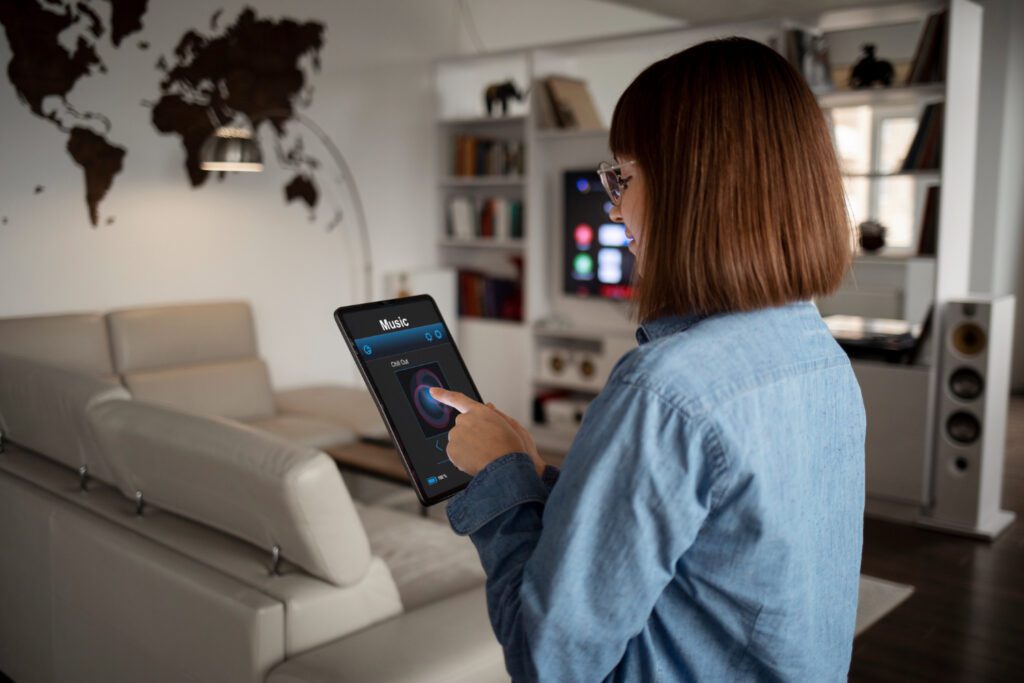
Not too long ago, home inspections focused mainly on what could be seen, touched, or tested manually roof condition, electrical panels, plumbing fixtures, and structural elements. Today, homes are smarter, more connected, and far more complex than they were even a decade ago. From smart thermostats to app-controlled security systems, technology has quietly transformed how homes function and that transformation is reshaping the inspection process.
This article explores how smart home technology is changing , specially home inspection Rochester Hills, what inspectors look for, and what different findings mean for homeowners and buyers. The goal is to help you understand how technology affects inspection outcomes and why awareness matters more than ever in modern homes.
What Is Considered Smart Home Technology?
Before diving into inspections, it’s important to understand what qualifies as smart home technology.
Smart home technology typically refers to devices or systems that:
- Connect to the internet or a local network
- Can be monitored or controlled remotely
- Automate certain home functions
- Collect and share data
Common examples include:
- Smart thermostats
- Smart lighting systems
- Video doorbells and cameras
- Smart locks
- Leak detection sensors
- Smart appliances
- Integrated home automation hubs
These systems can improve comfort, efficiency, and security but they also introduce new considerations during home inspections.
Why Smart Homes Have Changed the Inspection Landscape
Traditional home inspections were largely mechanical and visual. Smart homes add a digital layer to physical systems. Inspectors now evaluate not only whether a system works, but also how technology interacts with that system.
This shift affects:
- Electrical evaluations
- Safety assessments
- System reliability
- Future maintenance expectations
As a result, modern home inspections require broader awareness and interpretation than ever before.
Smart Electrical Systems and Home Inspections
How Smart Devices Affect Electrical Loads
Many smart homes rely on a higher number of connected devices running continuously. While each device uses minimal power, the cumulative load can be significant.
Inspectors often assess:
- Electrical panel capacity
- Circuit distribution
- Signs of overloading
- Proper grounding
Implications of Electrical Findings
If inspectors find outdated panels or insufficient capacity, it may suggest:
- Reduced ability to support additional devices
- Increased risk of tripped breakers
- Potential safety concerns
These findings don’t mean smart devices are unsafe but they may indicate the electrical system needs updating to support modern usage.
Smart Thermostats and HVAC Insights
What Smart Thermostats Reveal
Smart thermostats collect data over time, including:
- Temperature fluctuations
- Runtime patterns
- Energy usage trends
During home inspections, inspectors may review thermostat placement and functionality, but the presence of a smart thermostat can also signal how the HVAC system has been used.
What Inspectors Look For
Inspectors may note:
- Inconsistent heating or cooling patterns
- Short cycling or excessive runtime
- Improper thermostat installation
Why These Findings Matter
Irregular patterns can indicate:
- HVAC inefficiency
- Ductwork issues
- Insulation deficiencies
Smart technology doesn’t cause these problems but it can make them more visible.
Smart Plumbing Sensors and Leak Detection
How Smart Sensors Change Water Assessments
Leak detection sensors monitor moisture levels and water flow, sometimes shutting off water automatically if a leak is detected.
During home inspections, inspectors may observe:
- Sensor placement
- Integration with plumbing systems
- Signs of past leaks
Implications of Sensor-Related Findings
If sensors are present, it may suggest:
- A history of plumbing issues
- Proactive maintenance by the homeowner
If sensors are missing in high-risk areas, inspectors may note increased vulnerability to undetected leaks.
Smart Appliances and Inspection Considerations
Appliances Are No Longer Just Plug-and-Play
Modern appliances often connect to Wi-Fi and rely on software updates. This introduces new inspection factors such as:
- Proper electrical connections
- Ventilation requirements
- Water supply and drainage compatibility
What Inspectors Typically Document
During home inspections, inspectors focus on:
- Physical installation
- Visible safety concerns
- Basic operational status
They generally do not evaluate software performance but may note compatibility or installation issues that could affect long-term use.
Home Automation Hubs and System Integration
The Rise of Centralized Control Systems
Many smart homes use a central hub to manage lighting, security, climate, and entertainment systems. While convenient, these hubs depend on:
- Network stability
- Proper wiring
- Secure installation
Inspection Implications
Inspectors may note:
- Excessive wiring or adapters
- Improper power sources
- Accessibility issues
Poor installation practices can lead to reliability problems or safety risks.
Smart Security Systems and Safety Assessments
Cameras, Sensors, and Smart Locks
Smart security systems are now common features in residential properties. These include:
- Motion detectors
- Door and window sensors
- Video surveillance
What Inspectors Look For
Inspectors generally focus on:
- Physical installation
- Electrical safety
- Potential privacy concerns
Why Findings Matter
Improperly installed systems may:
- Damage building materials
- Create electrical hazards
- Interfere with emergency egress
Home inspections aim to ensure these systems don’t compromise safety.
Smart Smoke Detectors and Carbon Monoxide Alarms
Technology Meets Life Safety
Smart smoke and carbon monoxide detectors offer alerts and monitoring through mobile apps. However, during home inspections, inspectors focus on compliance rather than connectivity.
Key Inspection Checks
Inspectors typically assess:
- Proper placement
- Power source
- Age and condition
- Interconnection where required
Implications of Findings
Outdated or improperly placed detectors can pose serious safety risks, regardless of smart features.
Internet Connectivity and Infrastructure
Why Connectivity Matters in Smart Homes
Smart devices depend on reliable connectivity. Poor wiring or outdated infrastructure can limit system performance.
Inspection Observations
Inspectors may note:
- Excessive use of extension cords
- Improvised wiring solutions
- Accessibility of networking equipment
While inspectors don’t test internet speed, visible infrastructure issues can signal future limitations.
Data Privacy and Ownership Considerations
An Emerging Discussion in Home Inspections
While home inspections don’t evaluate digital privacy, smart homes raise questions about:
- Data stored in devices
- User accounts linked to systems
- Transfer of ownership
Inspectors may recommend that buyers ensure all devices are reset and accounts removed before occupancy.
How Smart Technology Changes Inspection Reports
More Documentation, More Detail
Smart homes often result in inspection reports that:
- Include additional system notes
- Clarify inspection limitations
- Highlight compatibility concerns
Why This Matters for Buyers and Owners
Detailed findings help homeowners:
- Understand system complexity
- Plan maintenance
- Avoid assumptions about performance
Inspection reports evolve as homes become more technologically advanced.
Limitations of Home Inspections in Smart Homes
What Inspections Can and Cannot Do
Even with smart technology, home inspections remain:
- Non-invasive
- Visual and functional
- Time-limited
Inspectors do not:
- Access personal apps or accounts
- Test software reliability
- Evaluate cloud-based services
Understanding these limits helps set realistic expectations.
Smart Homes and Future Maintenance Planning
Why Findings Influence Long-Term Decisions
Inspection findings related to smart technology can affect:
- Upgrade planning
- Electrical improvements
- Replacement timelines
Knowing how systems are installed and supported helps homeowners make informed decisions.
Common Misunderstandings About Smart Homes and Inspections
Some homeowners assume:
- Smart systems are self-maintaining
- Technology eliminates inspection needs
- New devices equal fewer issues
In reality, smart homes still require traditional maintenance sometimes even more so due to added complexity.
The Bigger Picture: Smart Homes as Living Systems
A smart home is not just a collection of devices. It’s a living system where:
- Electrical, mechanical, and digital components interact
- One issue can affect multiple systems
- Installation quality matters as much as technology
Home inspections help evaluate how well these systems work together.
Why Awareness Matters More Than Ever
As homes become smarter, homeowners and buyers need to be more informed not just about features, but about functionality and safety.
Understanding inspection findings related to smart technology helps:
- Reduce surprises
- Improve system reliability
- Support safer living environments
Final Thoughts:
Smart home technology has transformed how homes operate, and home inspections have evolved right alongside it. While inspectors still focus on safety, structure, and function, smart systems add new layers of complexity that require thoughtful evaluation.
Inspection findings related to smart technology aren’t about judging innovation they’re about understanding how modern systems interact with traditional home components. With the right awareness, homeowners can enjoy the benefits of smart living while staying informed, prepared, and protected.
Smart homes may be the future but informed inspections ensure that future is built on a solid foundation. Also Read:
How Weather Damage Affects Your Roof and What Inspectors Look For