


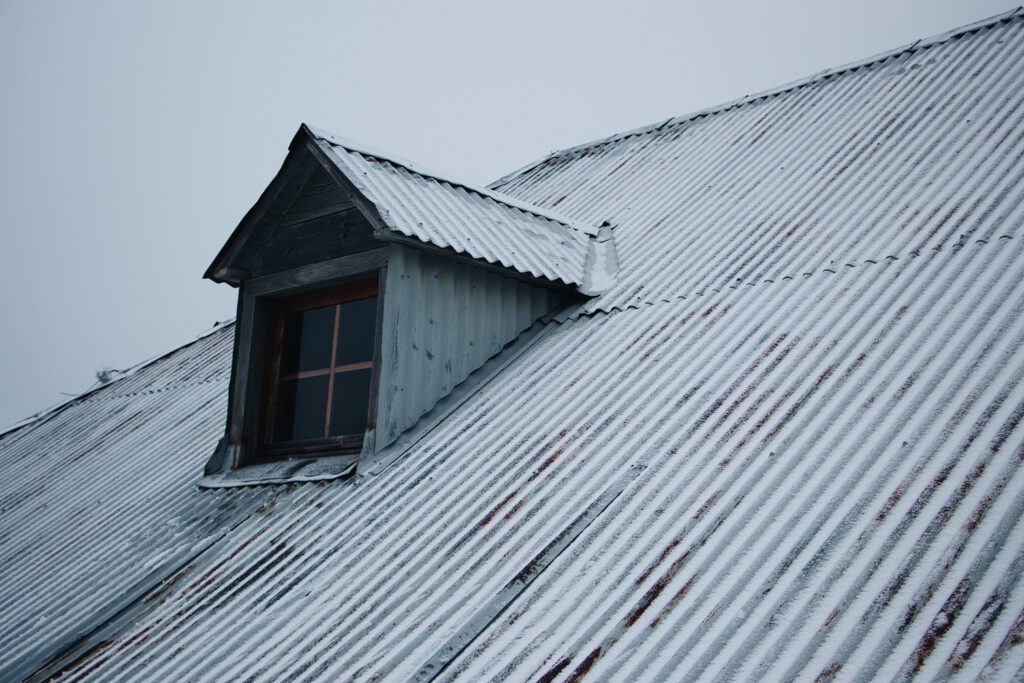
If you live in a coastal or storm-prone region, your roof quietly takes a beating year after year. Wind, rain, heat, humidity, and sudden storms all leave their mark even when the damage isn’t immediately obvious. For homeowners, this is where a home inspection fort myers fl becomes especially important. Roof damage caused by weather often develops slowly, and many issues go unnoticed until they turn into expensive repairs.
In this article, we’ll walk through how different weather conditions affect your roof, what inspectors are trained to look for, and why certain findings matter more than others. The goal isn’t to scare you, it’s to help you understand what’s happening above your head and why early detection can make a big difference.
Why Roofs Are So Vulnerable to Weather Damage
Your roof is your home’s first line of defense. It absorbs the full impact of environmental stress long before walls, windows, or foundations are affected. Unlike other parts of a house, roofs are:
- Constantly exposed to the elements
- Made of layered materials that age differently
- Difficult to inspect without training or safety equipment
Weather damage doesn’t always come from one dramatic event. In many cases, it’s the cumulative effect of years of sun exposure, seasonal storms, and moisture intrusion.
Sun and Heat: The Slow, Silent Roof Damagers
How Heat Affects Roofing Materials
In warm climates, prolonged sun exposure is one of the biggest threats to roof longevity. Over time, heat can:
- Dry out shingles
- Cause cracking or curling
- Break down protective granules
- Weaken sealants and adhesives
As roofing materials expand during the day and contract at night, small fractures can form. These fractures may not leak immediately, but they create entry points for moisture later.
What Inspectors Look For
During a home inspection, inspectors often look for:
- Brittle or cracked shingles
- Discoloration from UV damage
- Loss of granules on asphalt shingles
- Warping in roof decking
These findings help indicate whether a roof is aging prematurely due to heat exposure.
Heavy Rain and Moisture: A Roof’s Biggest Enemy
How Water Causes Roof Damage
Water doesn’t need a large opening to cause problems. Even minor gaps can allow moisture to seep into roofing layers, leading to:
- Wood rot
- Mold growth
- Insulation damage
- Ceiling stains
Over time, trapped moisture can weaken the entire roofing system from the inside out.
Common Moisture-Related Issues Inspectors Find
Inspectors don’t just look for obvious leaks. They assess signs such as:
- Soft spots in decking
- Water stains in attics or ceilings
- Mold or mildew growth
- Rusted fasteners or flashing
These findings can suggest long-term water intrusion, even if active leaks aren’t visible during the inspection.
Wind Damage: Not Always Obvious, But Often Serious
How Wind Impacts Roofs
High winds don’t just rip shingles off roofs. They can also:
- Lift shingle edges
- Break seals between shingles
- Loosen flashing
- Expose underlayment
Once wind compromises these components, future rain events can cause significant water damage.
What Inspectors Check After Wind Exposure
A professional home inspection fort myers fl typically includes looking for:
- Missing or lifted shingles
- Creased or torn shingle tabs
- Loose ridge caps
- Damaged flashing around vents and chimneys
Even small wind-related issues can shorten the life of a roof if left unaddressed.
Storms and Hurricanes: Combined Weather Stress
Why Storm Damage Is Often Complex
Major storms bring multiple damaging elements at once wind, rain, flying debris, and pressure changes. The damage caused may not be limited to one area.
Common storm-related roof issues include:
- Punctures from debris
- Dislodged tiles or shingles
- Compromised flashing
- Structural stress
Some of this damage may not be visible from the ground.
Inspector Findings After Severe Weather
Inspectors often document:
- Impact marks or fractures
- Misaligned roofing materials
- Signs of water entry following the storm
- Damage to roof penetrations
These findings help homeowners understand whether repairs are cosmetic or structural.
Humidity and Condensation: Damage from the Inside
How Moisture Builds Up Without Rain
In humid environments, roofs can suffer damage even without rainfall. Poor ventilation can cause warm, moist air to condense in the attic, leading to:
- Mold growth
- Wood decay
- Reduced insulation effectiveness
This type of damage is often mistaken for roof leaks.
What Inspectors Look for Indoors
During a home inspection, inspectors assess attic conditions, including:
- Ventilation effectiveness
- Signs of condensation
- Mold or mildew on rafters
- Moisture levels in insulation
These findings help determine whether roof issues stem from external weather or internal airflow problems.
Hail Damage: Small Impacts, Big Consequences
How Hail Affects Roofing Materials
Hail can cause immediate and long-term damage depending on size and frequency. Even small hailstones can:
- Knock granules off shingles
- Crack tiles
- Dent metal roofing
Loss of protective granules exposes underlying materials to UV damage and water infiltration.
Inspector Indicators of Hail Damage
Inspectors often look for:
- Circular impact marks
- Granule accumulation in gutters
- Cracked or bruised shingles
- Dents in metal components
These findings help assess whether damage is cosmetic or functionally significant.
Salt Air and Coastal Conditions
Unique Challenges Near the Coast
In coastal regions, salt in the air accelerates corrosion. Over time, salt exposure can:
- Rust metal fasteners
- Degrade flashing
- Weaken roofing hardware
This type of damage often progresses faster than homeowners expect.
What Inspectors Pay Attention To
During inspections, professionals may note:
- Corrosion on metal components
- Premature material degradation
- Fastener failure
These findings can influence maintenance recommendations and future repair planning.
Tree Debris and Organic Damage
How Trees Contribute to Roof Problems
Overhanging branches and falling debris can scrape roofing materials, clog gutters, and trap moisture. Leaves and organic matter can:
- Hold water against the roof surface
- Promote algae or moss growth
- Accelerate material breakdown
Inspector Observations Related to Vegetation
Inspectors often document:
- Physical damage from branches
- Organic buildup
- Blocked drainage paths
These findings highlight risks that may worsen during storms or heavy rain.
What Roof Findings Mean for Homeowners
Minor Issues vs. Major Concerns
Not every issue discovered during a home inspection means immediate replacement is required. Findings generally fall into categories:
- Minor wear: Normal aging, cosmetic issues
- Moderate concerns: Repairs recommended to prevent future damage
- Significant defects: Conditions that may lead to leaks or structural issues
Understanding these distinctions helps homeowners make informed decisions.
Why Early Detection Matters
Weather-related roof damage rarely improves on its own. Small issues tend to grow over time, especially when exposed to ongoing environmental stress.
Early identification can:
- Reduce repair costs
- Prevent interior damage
- Extend roof lifespan
- Improve overall home safety
Inspections provide a snapshot of current conditions, allowing homeowners to plan rather than react.
How Roof Findings Affect Real Estate Decisions
Roof condition plays a major role in:
- Home buying negotiations
- Repair requests
- Future maintenance planning
Detailed inspection findings help buyers and sellers understand risk without relying on assumptions.
The Bigger Picture: Roofs as Part of a System
A roof doesn’t function in isolation. Weather damage to roofing materials often affects:
- Attic ventilation
- Insulation performance
- Structural components
- Interior finishes
Inspectors look at the roof as part of an interconnected system rather than a single surface.
Final Thoughts
Weather damage is inevitable, but costly surprises don’t have to be. By understanding how different weather conditions affect your roof and what inspectors look for you gain clarity and control as a homeowner.
A home inspection fort myers fl provides valuable insight into both visible and hidden roof conditions. Whether you’re dealing with heat, storms, humidity, or coastal exposure, informed awareness helps you protect your home, plan repairs wisely, and extend the life of your roof.
Your roof may be out of sight, but it should never be out of mind.