


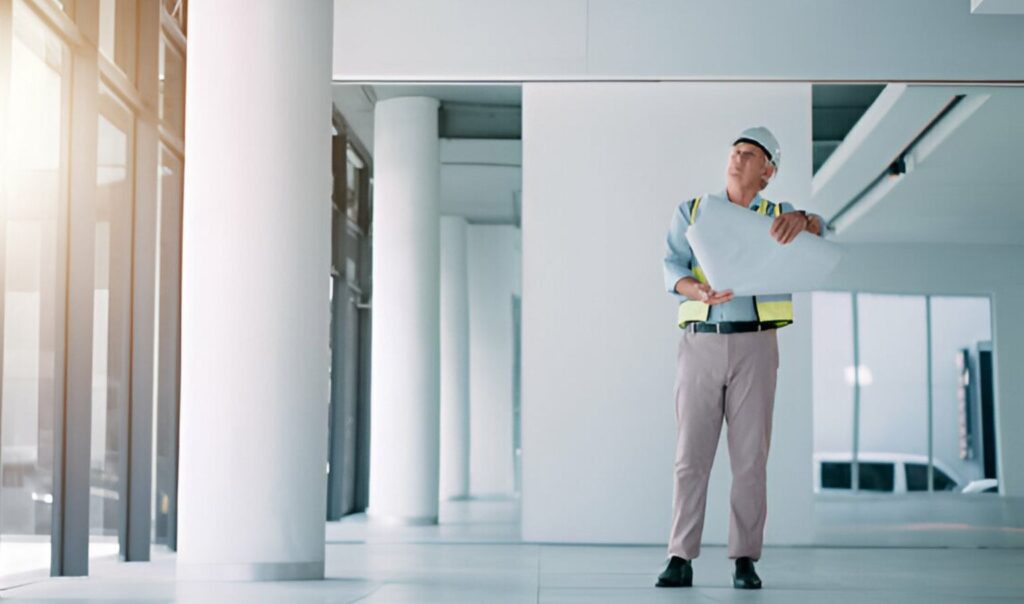
When you’re dealing with commercial properties, whether you’re buying, selling, or maintaining them, understanding what inspectors typically find can save you thousands of dollars and countless headaches. Commercial building inspection services play a crucial role in identifying potential problems before they become major expenses. However, knowing what to expect can help you prepare more effectively for the process.
Let’s explore the most frequently encountered issues that professional inspectors typically find during their assessments. By understanding these common problems, property owners and potential buyers can make more informed decisions and budget appropriately for necessary repairs or maintenance.
Structural and Foundation Problems
Foundation Settlement and Cracking
One of the most serious issues that inspectors encounter involves foundation problems. Commercial buildings, especially older structures, often show signs of foundation settlement, which can manifest as cracks in walls, uneven floors, or doors and windows that no longer fit properly in their frames.
Foundation issues don’t always mean catastrophic failure is imminent, but they do require professional evaluation. Minor settling is a regular occurrence in many buildings, particularly those constructed on specific soil types or in areas with significant temperature fluctuations. However, significant cracks, especially those wider than a quarter-inch, horizontal cracks, or stepped cracks in masonry walls, warrant immediate attention.
Inspectors also look for signs of water intrusion around foundations, which can accelerate deterioration and lead to more expensive problems down the line. Poor drainage around the building perimeter, damaged waterproofing, or inadequate foundation design can all contribute to these issues.
Load-Bearing Wall and Beam Concerns
Commercial buildings often undergo renovations and modifications over their lifetime, and sometimes these changes affect structural elements. Inspectors frequently find situations where load-bearing walls have been altered without proper engineering approval, or where beams show signs of stress, sagging, or deterioration.
Steel beams may show signs of corrosion, particularly in humid environments or areas where water leaks have occurred. Wood beams in older buildings might exhibit rot, insect damage, or excessive deflection under load. These structural concerns necessitate immediate professional evaluation, as they can compromise the safety and stability of the entire building.
Electrical System Deficiencies
Outdated Wiring and Panel Systems
Electrical problems are among the most common and potentially hazardous issues identified during commercial inspections. Many commercial buildings, particularly those constructed several decades ago, continue to operate with outdated electrical systems that fail to meet current safety standards or capacity requirements.
Commercial building inspection services often identify buildings with outdated knob-and-tube wiring, aluminum wiring from the 1960s and 1970s, or electrical panels that lack sufficient capacity to meet modern electrical demands. These obsolete systems not only pose safety risks but may also violate current building codes, potentially affecting insurance coverage and occupancy permits.
Inspectors also look for overloaded circuits, improper grounding, and inadequate GFCI protection in areas where water might be present. These issues can lead to electrical fires, equipment damage, and personal injury if not addressed promptly.
Code Compliance and Safety Violations
Modern commercial buildings must comply with numerous electrical codes and safety requirements. Inspectors often find violations such as missing electrical permits for previous work, inadequate emergency lighting systems, or improperly installed exit signs.
Emergency electrical systems, including backup generators and emergency lighting, frequently show signs of neglect or improper maintenance. These systems are critical for life safety during power outages or emergencies, making their proper function essential for code compliance and occupant safety.
HVAC and Mechanical System Issues
Heating and Cooling System Problems
Climate control systems in commercial buildings work significantly harder than those in residential buildings and require regular maintenance to function efficiently. Commercial building inspection services routinely discover HVAC systems with clogged filters, dirty coils, refrigerant leaks, and worn-out components.
Ductwork problems are widespread, including damaged insulation, loose connections, and inadequate sizing for the spaces being served. Poor ductwork can lead to energy inefficiency, uneven temperature control, and indoor air quality issues that affect occupant comfort and health.
Older buildings may have HVAC systems that use refrigerants that are being phased out due to environmental concerns. While these systems can continue to operate, replacement refrigerants may become increasingly expensive and difficult to obtain, making system replacement a more economical option in the long run.
Ventilation and Air Quality Concerns
Proper ventilation is crucial in commercial buildings, both for occupant comfort and code compliance. Inspectors frequently find inadequate ventilation in restrooms, kitchens, and other areas where moisture or odors are generated. Exhaust fans may be undersized, improperly installed, or simply not functioning due to a lack of maintenance.
Indoor air quality issues can stem from various sources, including mold growth due to moisture problems, off-gassing from building materials, or inadequate fresh air intake. These issues can impact tenant health and satisfaction, potentially leading to liability concerns for property owners.
Plumbing and Water System Complications
Pipe Deterioration and Water Damage
Plumbing systems in commercial buildings are subject to constant use and can develop problems that aren’t immediately visible. Commercial building inspection services often uncover issues such as corroded pipes, particularly in buildings with galvanized steel plumbing that’s reaching the end of its useful life.
Water pressure problems are common, especially in multi-story buildings where the original plumbing wasn’t designed for current usage patterns. Low water pressure can affect tenant satisfaction and may indicate underlying problems with the distribution system.
Hidden water leaks represent another significant concern. These leaks can cause structural damage, promote mold growth, and waste substantial amounts of water before they’re discovered. Inspectors employ various techniques to identify these hidden problems, including the use of moisture meters and thermal imaging.
Drainage and Sewer System Issues
Commercial buildings generate substantial amounts of wastewater, and their drainage systems must be properly sized and maintained to handle this load. Inspectors frequently find problems with floor drains, particularly in basement areas or mechanical rooms where they may be clogged or improperly connected.
Sewer line problems can be costly to repair, especially if they affect the main building drain or connection to municipal systems. Tree roots, pipe settlement, and general deterioration can all cause sewer backups that pose health hazards and lead to property damage.
Water Heater and Hot Water Distribution
Commercial water heating systems are typically much larger and more complex than residential systems. Inspectors often find issues with temperature and pressure relief valves, inadequate insulation on hot water lines, and distribution systems that fail to provide sufficient hot water to all areas of the building.
Safety concerns surrounding commercial water heaters include proper venting, adequate clearances from combustible materials, and the proper installation of gas connections, where applicable. These large systems can pose significant safety risks if not properly maintained and inspected regularly.
Conclusion
Understanding these common issues found during commercial property inspections helps property owners, buyers, and tenants make informed decisions about their real estate investments. While this list might seem daunting, remember that professional inspectors are trained to identify these problems early, when they’re typically less expensive to address than if they’re allowed to worsen over time.
Regular maintenance and proactive attention to building systems can prevent many of these issues from developing into significant problems. When considering a commercial property purchase or planning building maintenance, factor these common concerns into your budget and timeline. Working with qualified professionals for both inspections and repairs ensures that problems are adequately addressed and safely, protecting your investment and the people who use your building.
Also, read this: What Does an Arizona Home Inspector Actually Do?