


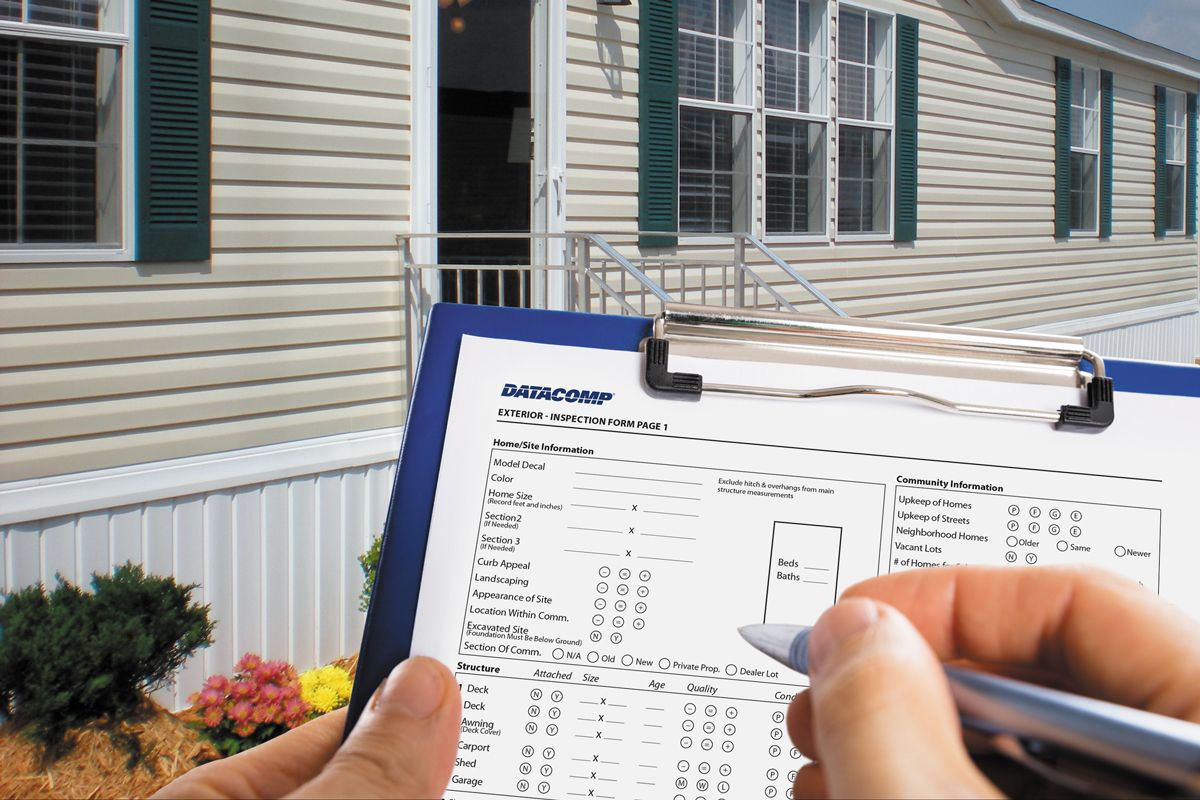
Buying a home is one of the most significant investments you’ll ever make. If you’re purchasing property in the Windy City, you’re probably wondering whether you should be present during your Chicago home inspection. It’s a question that many first-time and even experienced homebuyers grapple with, and the answer isn’t always straightforward.
The short answer? Absolutely, you should attend your home inspection whenever possible. While it’s not legally required, being present during this crucial step can provide invaluable insights into your potential new home and help you make more informed decisions about your purchase.
Understanding the Home Inspection Process
What Happens During a Home Inspection
A home inspection is a comprehensive evaluation of a property’s condition, typically conducted by a licensed professional. The inspector examines various systems and components of the house, including the foundation, roof, electrical systems, plumbing, heating and cooling systems, windows, doors, and much more. This process typically takes between two and four hours, depending on the property’s size and complexity.
During a Chicago home inspection, the inspector will look for both current issues and potential problems that might arise in the future. They’ll check for safety hazards, structural issues, and items that might need repair or replacement. The goal is to provide you with a clear understanding of what you’re buying and help you comprehend any potential maintenance or repair costs that may arise as a homeowner.
The Inspector’s Role and Limitations
It’s essential to recognize that home inspectors are generalists, not specialists in every field they inspect. While they’re trained to identify problems across multiple systems, they may recommend bringing in specialists for more detailed evaluations when they discover potential issues. For instance, if they notice signs of foundation problems, they suggest hiring a structural engineer for a more thorough assessment.
Home inspectors also work within certain limitations. They can only inspect what’s visible and accessible at the time of the inspection. They won’t move furniture, remove wall coverings, or dismantle systems to look for hidden problems. Understanding these limitations helps set realistic expectations for what the inspection can and cannot reveal.
Benefits of Attending Your Home Inspection
Educational Value and Learning Opportunities
One of the most compelling reasons to attend your home inspection is the educational value it provides. Think of it as a crash course in your potential new home. The inspector can show you where essential systems are located, explain how they work, and describe the typical maintenance requirements for each system.
For example, you’ll learn where your main water shut-off valve is located – crucial information in case of a plumbing emergency. You’ll learn how to reset your electrical panel’s circuit breakers, understand your HVAC system’s maintenance requirements, and receive tips on seasonal home care tailored to Chicago’s unique climate challenges.
This hands-on learning experience is particularly valuable for first-time homebuyers who might not be familiar with home maintenance responsibilities. Even experienced homeowners can benefit from understanding the specific quirks and features of their new property.
Real-Time Question and Answer Sessions
Having the inspector present allows you to ask questions immediately as issues are discovered or explained. You can clarify the severity of problems, understand repair timelines, and get rough estimates of potential costs. This real-time dialogue can be incredibly valuable in helping you process the information and make decisions about how to proceed with your purchase.
The inspector can also provide context that may not be included in the written report. They might explain that while something appears in the report as an issue, it’s actually relatively minor and common in homes of that age or style. Conversely, they might emphasize that specific findings, while they may seem small, could indicate larger underlying problems.
Better Understanding of Your Investment
Attending the inspection provides a more comprehensive view of your investment. You’ll see firsthand the condition of the home, identify areas that may require immediate attention, and understand what to expect in terms of future maintenance and repairs. This knowledge can be crucial when deciding whether to proceed with the purchase, negotiate repairs, or adjust your offer price.
Potential Drawbacks and Considerations
Emotional Impact and Stress
While attending a Chicago home inspection has many benefits, it’s not without potential downsides. One significant consideration is the emotional impact. No home is perfect, and hearing about various issues can be overwhelming, especially for first-time buyers. It’s easy to let inspection findings trigger buyer’s remorse or unnecessary panic about problems that are actually quite normal and manageable.
Some buyers find that being present during the inspection makes them overly focused on minor issues that wouldn’t significantly impact their enjoyment of the home or its value. It’s essential to maintain perspective and remember that most homes have some problems – the key is understanding which ones are serious and which are simply part of normal homeownership.
Time and Schedule Constraints
Home inspections typically occur during business hours and can last several hours. This means you’ll likely need to take time off work or rearrange your schedule to attend. For some buyers, especially those purchasing from a distance or dealing with tight work schedules, this can present practical challenges.
However, most buyers find that the benefits of attending outweigh these scheduling inconveniences. Consider it an investment in your understanding of what could be your most significant financial commitment.
Information Overload
Inspectors examine dozens of systems and components, and they’re required to note even minor issues in their reports. Attending the inspection means you’ll be exposed to all of this information in real-time, which can feel overwhelming. Some buyers struggle to distinguish between major concerns and minor maintenance items when presented with all the information at once.
Making the Most of Your Inspection Attendance
Come Prepared
If you decide to attend your inspection, come prepared to make the most of the experience. Bring a notebook and pen to jot down important information, questions, and the inspector’s recommendations. Consider bringing a camera or using your smartphone to take photos of essential systems, shut-off valves, and other features the inspector points out.
Dress appropriately for crawling around in basements, attics, and potentially muddy areas around the home’s exterior. Wear comfortable, closed-toe shoes and clothes you don’t mind getting dirty. Bring a flashlight, even though the inspector will have their own – having your own light source can help you see things more clearly as they’re being explained.
Ask the Right Questions
Prepare a list of questions in advance, but also be ready to ask follow-up questions based on what the inspector finds. Good questions to ask include inquiring about the expected lifespan of major systems, seasonal maintenance recommendations tailored to Chicago’s climate, and which issues should be addressed first if you purchase the home.
Don’t be afraid to ask for clarification when something doesn’t make sense. Inspectors are used to working with buyers who have varying levels of home maintenance knowledge, and most are happy to explain things in terms you can understand.
Focus on Major Systems
While it’s natural to notice every minor issue, focus your attention and questions on major systems and components. These include the roof, foundation, electrical, plumbing, and HVAC systems. Understanding the condition and remaining useful life of these primary elements will have the most significant impact on your ownership experience and costs.
Special Considerations for Chicago Properties
Climate-Related Issues
Chicago’s harsh winters and variable weather patterns create specific challenges for homes in the area. During your Chicago home inspection, pay particular attention to how the home handles weather-related stresses. This includes checking for proper insulation, examining windows and doors for drafts, and ensuring heating systems are adequate for the climate.
Ice dams, frozen pipes, and heating system failures are common concerns in Chicago winters. Understanding how the home is prepared for these challenges can help you avoid costly surprises after you move in. Ask the inspector about any weather-related vulnerabilities they notice and what preventive measures you might need to take.
Older Home Considerations
Many Chicago neighborhoods feature older homes with character and charm, but also with unique challenges. If you’re purchasing an older property, attending the inspection becomes even more critical. Older homes may have outdated electrical systems, original plumbing that’s nearing the end of its useful life, or structural quirks that require special attention.
The inspector can help you understand which age-related issues are cosmetic versus those that might affect safety or require significant investment. They can also point out period-appropriate features that should be preserved and maintained correctly.
Urban Environment Factors
Chicago’s urban environment presents unique considerations that might not apply in suburban or rural areas. This can include issues such as shared walls in townhomes, limited outdoor space that affects drainage, or proximity to busy streets that impact noise levels and air quality. An experienced local inspector will be familiar with these urban-specific concerns and can help you understand their implications.
Making Your Decision
Ultimately, the decision of whether to attend your home inspection depends on your personal circumstances, comfort level with home maintenance, and ability to manage the time commitment. However, for most buyers, the benefits significantly outweigh the drawbacks.
The knowledge you gain from attending the inspection will serve you throughout your homeownership journey. You’ll have a better understanding of your home’s systems, a clearer picture of immediate and future maintenance needs, and the confidence that comes from being fully informed about your investment.
If you absolutely cannot attend the inspection, make sure to have a detailed conversation with your inspector afterward. Request that they call you immediately after the inspection to discuss any significant findings, and don’t hesitate to ask for clarification on anything in the written report that you don’t understand.
Remember, buying a home is a significant decision, and being present during the inspection is one of the best ways to ensure you’re making an informed choice. The few hours you spend at the inspection could save you thousands of dollars and countless headaches down the road.
Also, read this: What Does an Arizona Home Inspector Actually Do?


