


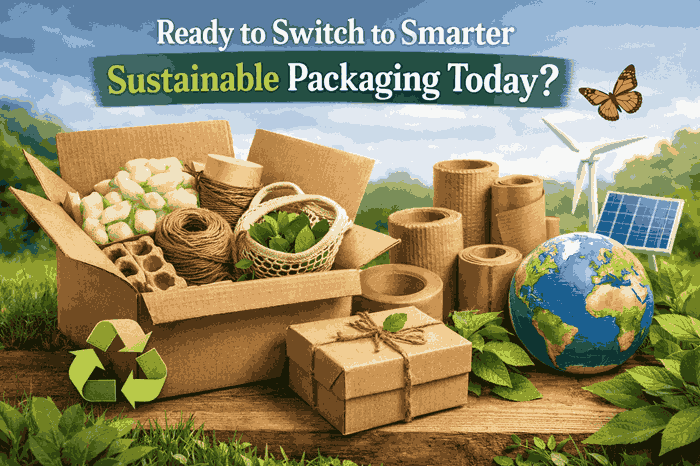
Sustainable packaging is no longer optional today. Customers expect responsible choices from every business. Waste reduction now strongly shapes buying decisions. Smarter materials help protect goods and the environment. Many businesses now rethink their daily packing methods. This shift builds long-term trust with conscious buyers.
Why Is Sustainability Important in Modern Packaging?
Packaging waste impacts landfills and natural resources. Plastic materials often take years to break down. This creates long-term environmental pressure globally. Many logistics companies now adopt greener alternatives. They aim to reduce waste without losing protection. Industry experts regularly highlight sustainable material testing. This ensures performance stays reliable during transit.
It is seen that waste materials reduce drastically when the right materials are chosen at the right time. For that purpose, the industries switched to better material combinations. Sustainability also influences brand perception today. Customers prefer businesses that demonstrate genuine environmental responsibility. They often repeat purchases from such brands.
What Makes a Packaging Material Truly Sustainable?
Sustainability depends on more than just recyclability. Materials should break down safely after disposal. They should also use fewer natural resources. Reusable and compostable materials are highly preferred. Lightweight packaging also reduces transport emissions. Professionals always check these factors before choosing materials:
- Source of raw materials
- Recyclability after use
- Impact during production
- Disposal process efficiency
Reliable packaging improves both performance and responsibility. Better materials also reduce long-term operational costs. They also support compliance with environmental regulations.
Which Loose-Fill Options Reduce Environmental Impact?
Loose fill plays a key role in cushioning products. Traditional fillers often create unnecessary waste.
Plant-Based Fill Solutions
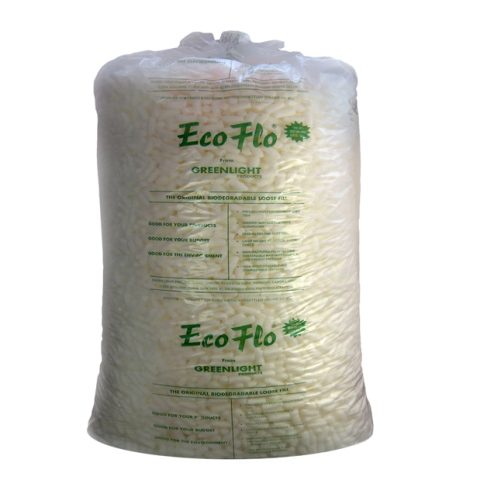
Plant-based fillers break down naturally after use. They dissolve in water without leaving residue. Many warehouses now regularly use ECOFLO loose fill. It protects items while reducing landfill pressure.
Compostable Packing Fill
Compostable fillers work well for daily shipping needs. They are made from renewable and safe materials. Some businesses prefer biodegradable loose fill options. These fillers support both safety and sustainability goals. Logistics teams often report fewer disposal concerns here. They also notice easier warehouse handling.

How Do Protective Wraps Support Eco-Friendly Shipping?
Protective wraps prevent damage during rough handling. They cushion fragile items from impact and vibration.
Eco-Friendly Wrap Alternatives
Modern wraps now offer safer environmental performance. They perform similarly to traditional plastic wraps. Many companies now use biodegradable bubble wrap effectively.
It cushions delicate items without long-term waste issues.

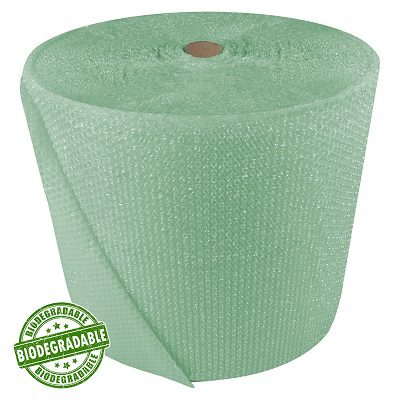
A small electronics seller significantly reduced returns. They upgraded to eco-friendly wraps for fragile goods. Better protection also reduces replacement and shipping costs. This improves overall customer satisfaction levels.
Why Are Tissue Materials Still Important in Packaging?
Tissue materials protect delicate surfaces during transit. They also improve presentation for premium products.
Soft Protective Paper Options
Soft paper layers prevent scratches and marks. They are often used for glass or polished items. Retailers prefer coloured acid-free tissue for this purpose. It protects products without affecting material quality.
This type of paper also enhances unboxing experiences. Customers often notice small presentation details immediately. A good presentation often leads to better product reviews.
How Can Businesses Easily Switch to Sustainable Packaging?
Switching does not require a complete overhaul. Small changes often create a meaningful impact quickly. Start by carefully reviewing the current packaging materials. Identify items that create the most waste.
Simple steps include:
- Replace plastic fillers with plant-based alternatives
- Use recyclable or compostable outer packaging
- Reduce unnecessary layers during packing
- Train staff on efficient packing methods
Many businesses begin with ECOFLO loose fill replacements. It offers an easy and effective starting point. Gradual changes help teams adapt without disruption. This also avoids sudden cost increases. Step-by-step changes ensure better long-term adoption.
What Are the Common Mistakes When Adopting Sustainable Packaging?
Some businesses rush the transition process. This sometimes leads to poor material choices. Avoid these common mistakes:
- Choosing weak materials for heavy products
- Ignoring moisture resistance needs
- Overpacking due to uncertainty
- Not testing materials before large use
Experts always recommend small-scale testing first. This ensures that the packaging performs under real-world conditions. A retailer once switched without testing properly.
They faced increased damage within weeks.
Balanced decisions always bring better long-term results. Careful planning always prevents unnecessary setbacks.
Why Do Industry Professionals Trust Sustainable Solutions?
Sustainable materials have improved significantly over time. They now match performance with traditional options. Packaging engineers regularly test durability and strength. This ensures safe delivery across different conditions.
Many fulfilment centres now use biodegradable loose fill daily. It performs well during long-distance shipping. Others prefer biodegradable bubble wrap for fragile goods. It combines protection with the benefits of responsible disposal.
These materials prove reliability through real-world usage. Industry adoption continues to grow steadily each year. More businesses now clearly see long-term value.
Conclusion
Sustainable packaging is now a practical business decision. It protects products while reducing environmental impact. Materials like ECOFLO loose fill provide responsible cushioning. Options such as coloured acid-free tissue add gentle protection. When chosen carefully, sustainable solutions work effectively. They support both business growth and environmental responsibility.