


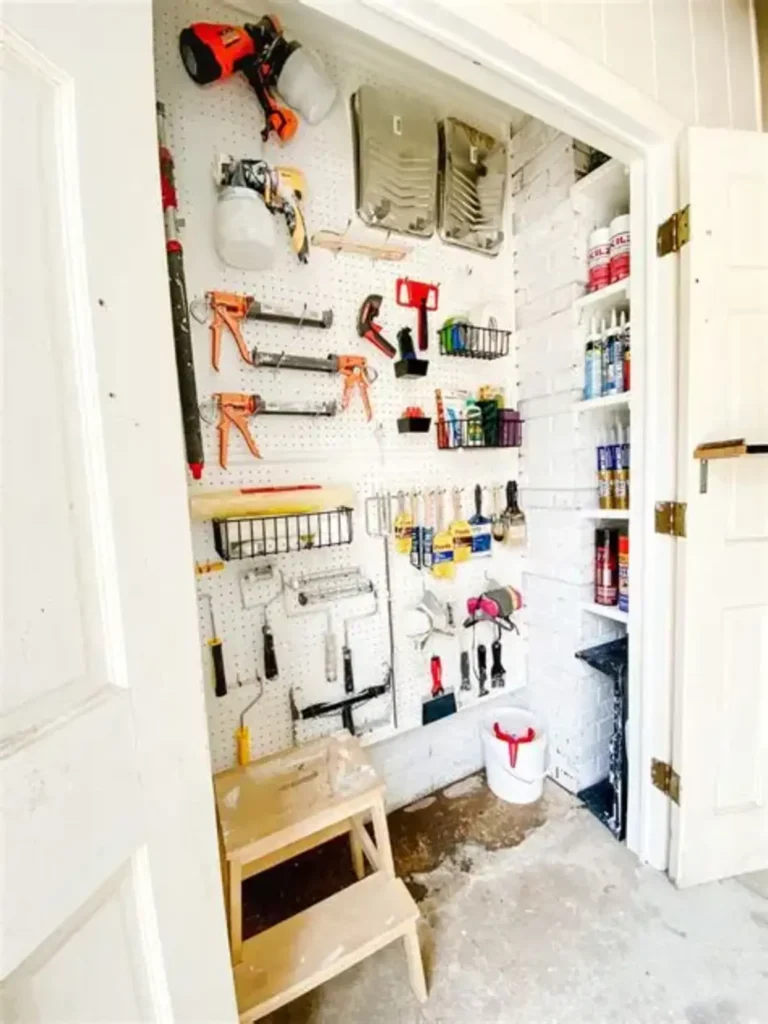
An organized paint storage closet is more than just a matter of neatness—it directly affects safety, efficiency, and the longevity of your paint supplies. Whether you are a homeowner tackling DIY projects, a contractor managing multiple jobs, or a facility manager responsible for maintenance materials, a well-planned paint storage system helps you save space, reduce waste, and work more productively. Below are practical and effective ideas to help you organize a paint storage closet that maximizes both space and efficiency.
Start with a Complete Inventory and Clean-Out
Before redesigning your paint storage closet, begin with a full inventory. Remove all paint cans, primers, thinners, and related tools. Check expiration dates, inspect for rusted or leaking cans, and properly dispose of unusable materials according to local regulations. Keeping expired paint not only wastes space but can also pose safety risks. Once the closet is empty, clean shelves and floors thoroughly to create a fresh, safe foundation.
Use Vertical Space with Adjustable Shelving
Vertical storage is one of the most effective ways to maximize space in a paint storage closet. Install adjustable metal or heavy-duty plastic shelves that can support the weight of paint cans. Adjustable shelving allows you to reconfigure the layout as your inventory changes. Place frequently used paints at eye level, while less-used or bulk supplies can be stored higher or lower.
Store Paint Cans Upside Down (When Appropriate)
For tightly sealed cans, storing paint upside down can help create an airtight seal, reducing skin formation and extending shelf life. This method also makes it easier to identify leaks early. Be sure to label the bottom of each can clearly so colors and types are still easy to identify when stacked or inverted.
Label Everything Clearly and Consistently
Clear labeling is essential for efficiency. Use waterproof labels or permanent markers to note the paint color, finish (matte, satin, gloss), room or project used for, and purchase date. Color-coded labels can further speed up identification, especially in professional or shared work environments. Consistent labeling reduces time spent opening cans and prevents accidental misuse.
Separate Paint by Type and Usage
Organize paints into categories such as interior, exterior, primer, specialty coatings, or touch-up paints. Within each category, group similar colors or finishes together. This system not only saves time but also helps prevent cross-contamination and ensures the right product is always within reach.
Add Secondary Storage for Tools and Accessories
A paint storage closet should also accommodate brushes, rollers, trays, drop cloths, and stir sticks. Use wall-mounted hooks, pegboards, or clear bins to keep these accessories organized. Separating tools from paint cans prevents clutter and makes the entire closet more functional.
Prioritize Safety and Ventilation
Safety should never be overlooked when storing paint. Ensure the closet is cool, dry, and away from direct sunlight or heat sources. Proper ventilation is crucial to prevent the buildup of fumes, especially when storing oil-based paints or solvents. Installing a small vent or ensuring airflow can significantly improve safety and comfort.
Use Stackable Bins for Small Containers
For smaller paint cans, touch-up containers, or sample jars, stackable plastic bins are an excellent solution. Transparent bins allow quick visual checks, while lids protect contents from dust and spills. Label the front of each bin to maintain organization even as items are moved in and out.
Create a First-In, First-Out System
To reduce waste, adopt a first-in, first-out (FIFO) system. Place newer purchases behind older ones so existing paint is used first. This simple habit helps prevent forgotten cans from expiring at the back of the shelf and keeps inventory fresh.
Optimize for Small Closets
If space is limited, consider narrow shelving units, door-mounted racks, or pull-out drawers. Even the inside of the closet door can be used for lightweight items such as paint samples, gloves, or safety masks. Smart use of every available inch can dramatically improve storage capacity without expanding the closet.
Maintain the System Regularly
Organization is not a one-time task. Schedule regular check-ins—every three to six months—to review inventory, clean shelves, and update labels. Consistent maintenance ensures your paint storage closet remains efficient and clutter-free over time.
Conclusion
An organized paint storage closet improves efficiency, enhances safety, and protects your investment in paint supplies. By using vertical space, labeling clearly, separating materials by type, and prioritizing safety, you can create a storage system that works for both small DIY projects and large-scale professional needs. With thoughtful planning and regular maintenance, your paint storage closet can become a streamlined, reliable part of your workspace—saving time, reducing waste, and maximizing space every day.
Article about ” Organized Paint Storage Closet Ideas to Maximize Space and Efficiency ” post by toko baut dan mur – tokohasil.com