


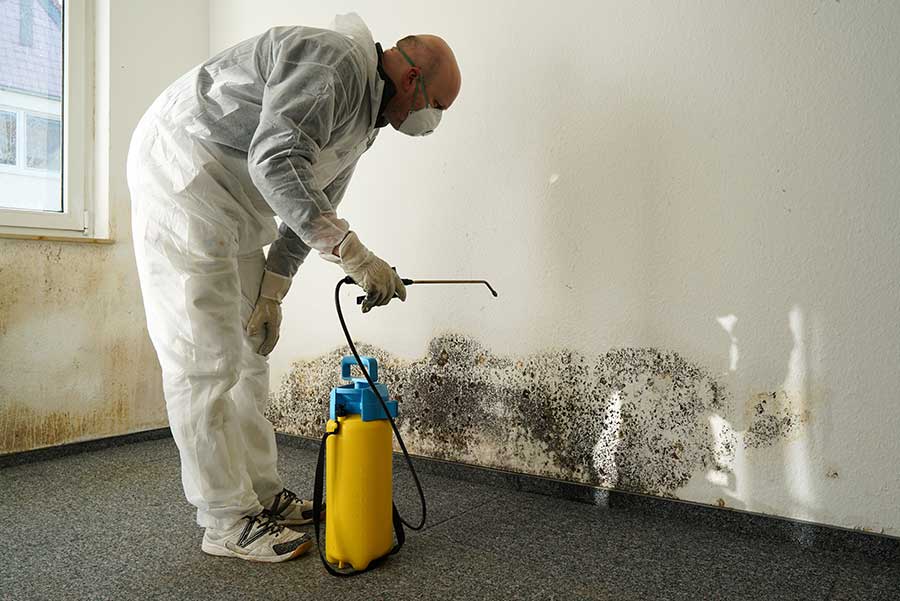
Buying a home is one of the most significant investments you’ll make in your lifetime, and it’s natural to want everything to be perfect. While you’re probably focused on location, price, and aesthetics, there’s one crucial aspect that often gets overlooked until it’s too late: mold. Hidden behind walls, lurking in basements, or thriving in poorly ventilated areas, mold can turn your dream home into a nightmare. That’s where understanding the importance of a Mold Inspection becomes essential.
Whether you’re a first-time homebuyer or a seasoned property investor, knowing what to expect from the mold inspection process can save you thousands of dollars and protect your family’s health. This comprehensive guide will walk you through everything you need to know about mold inspections, helping you make informed decisions before signing a contract.
Understanding the Basics of Mold in Homes
Before diving into the inspection process, it’s essential to understand what you’re dealing with. Mold is a type of fungus that thrives in moist environments and can grow on virtually any organic material, including wood, paper, carpet, and food. In homes, mold commonly develops in areas with poor ventilation, water damage, or high humidity levels.
The presence of mold in a home isn’t always immediately apparent. While some types produce a musty odor or visible discoloration, others can remain hidden for months or even years. This invisible threat can cause structural damage to your property and pose serious health risks to occupants, particularly those with allergies, asthma, or compromised immune systems.
Common areas where mold tends to flourish include bathrooms, basements, attics, around windows and doors, and any location where water damage has occurred. Even seemingly minor issues like a small roof leak or a dripping pipe can create the perfect breeding ground for mold growth. Understanding these risk factors helps explain why professional inspections are so valuable in the home-buying process.
When and Why You Need a Professional Mold Inspection
Timing Your Inspection
The timing of your Mold Inspection can significantly impact your negotiating power and peace of mind. Ideally, you should schedule this inspection during your due diligence period, after your offer has been accepted but before you finalize the purchase. This timing allows you to address any issues discovered without being locked into the deal.
However, there are specific circumstances that make mold inspections particularly crucial. If you’re purchasing an older home, one that has experienced flooding or water damage, or a house that has been vacant for an extended period, a mold inspection becomes even more crucial. Additionally, if you or your family members have respiratory sensitivities, investing in this inspection is a smart precautionary measure.
Red Flags That Warrant Immediate Inspection
Several warning signs should prompt you to insist on a professional mold inspection. A persistent musty odor, especially in basements or bathrooms, is often the first indicator of hidden mold growth. Water stains on walls or ceilings, peeling paint or wallpaper, and warped or discolored surfaces are also telltale signs that moisture problems may have led to mold development.
Pay attention to the home’s history as well. If the seller mentions any flooding, plumbing issues, or roof problems, these past events could have created conditions conducive to mold growth. Even if repairs have been made, mold may still be present in areas that weren’t adequately addressed during the remediation process.
The Mold Inspection Process: What to Expect
Pre-Inspection Preparation
A thorough Mold Inspection begins before the inspector even arrives at the property. Professional inspectors will typically ask about the home’s history, including any known water damage, previous mold issues, or ongoing moisture problems. They may also inquire about any health symptoms experienced by current occupants, as these can provide clues about potential mold presence.
The inspector will also need access to all areas of the home, including basements, attics, crawl spaces, and utility areas. If possible, ensure that these areas are accessible and that any stored items do not block access to walls, pipes, or HVAC systems where mold commonly develops.
Visual Assessment and Environmental Testing
The inspection process typically begins with a comprehensive visual examination of the property. Trained inspectors know where to look for signs of mold growth and moisture issues that may not be obvious to the untrained eye. They’ll examine areas prone to moisture accumulation, check for proper ventilation, and look for any signs of water damage or ongoing leaks.
Following the visual assessment, the inspector may conduct air quality testing to detect mold spores that aren’t visible to the naked eye. This process involves collecting air samples from various areas of the home and comparing them to outdoor air quality. Surface sampling may also be performed on suspicious areas to identify specific types of mold present.
The inspector will also use moisture meters and thermal imaging cameras to detect hidden moisture sources that could lead to future mold problems. These tools can reveal moisture behind walls, under flooring, or in other concealed areas where problems might be developing undetected.
Interpreting Results and Making Informed Decisions
Understanding Your Mold Inspection Report
Once the Mold Inspection is complete, you’ll receive a detailed report outlining the inspector’s findings. This document will include information about any mold discovered, the types identified, the extent of contamination, and recommendations for remediation. The report should also identify the underlying moisture sources that are contributing to mold growth.
It’s important to understand that finding some mold spores is normal – they’re present in virtually every environment. The key is determining whether the levels found are concerning and whether there are conditions that promote continued growth. A qualified inspector will help you understand whether the findings represent a minor issue or a significant problem requiring immediate attention.
Negotiating Based on Inspection Results
If significant mold issues are discovered, you have several options. You might negotiate with the seller to have the mold professionally remediated before closing, request a credit toward the purchase price to cover remediation costs, or, in severe cases, choose to walk away from the purchase entirely.
When evaluating remediation costs, remember that proper mold removal often involves addressing the underlying moisture problem, not just cleaning visible mold. This might include improving ventilation, fixing leaks, or even replacing damaged building materials. Factor these comprehensive repair costs into your negotiations.
Prevention and Long-Term Considerations
Understanding mold prevention can help you maintain a healthy home environment after your purchase. Controlling moisture is the key to preventing mold growth. This means promptly addressing any water leaks, maintaining proper ventilation in bathrooms and kitchens, using dehumidifiers in damp areas, and ensuring adequate drainage around your home’s foundation.
Regular maintenance and vigilance can prevent minor moisture problems from becoming major mold issues. Consider having your HVAC system inspected and cleaned regularly, as these systems can distribute mold spores throughout your home if not properly maintained.
Making the Right Decision for Your Future
A mold inspection might seem like an additional expense and complication in an already complex home-buying process, but it’s an investment in your family’s health and financial security. The cost of an inspection pales in comparison to the potential expenses of significant mold remediation or the health consequences of living in a contaminated environment.
Remember that knowledge is power in real estate transactions. By understanding what a mold inspection entails and when it’s necessary, you’re better equipped to make informed decisions about your potential new home. Whether the inspection reveals minor issues that can be easily addressed or significant problems that impact your purchasing decision, you’ll have the necessary information to move forward confidently.
The home-buying process involves many inspections and considerations, but don’t let mold inspection fall by the wayside. Your future self – and your family’s health – will thank you for taking this vital step in protecting your investment and ensuring your new home is truly a safe haven.
Also, read this: What Does an Arizona Home Inspector Actually Do?