


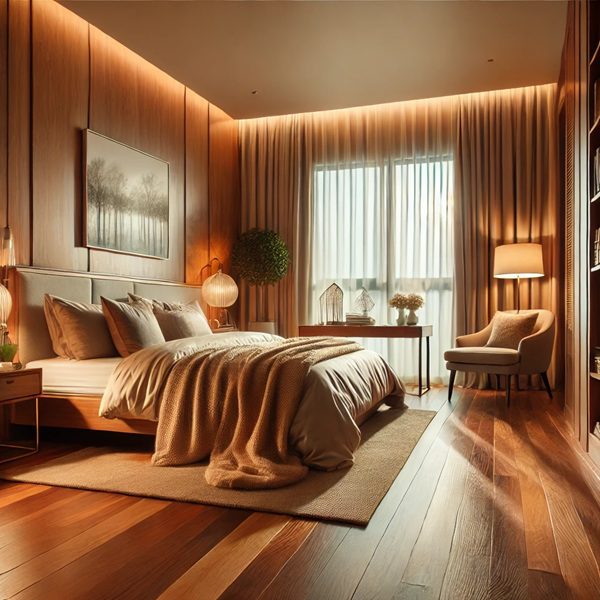
Flooring is not something people like to replace often. Once it is installed, it is expected to last for years without constant attention. That is where oak stands out. It has a natural strength that works well in both busy family homes and quieter spaces.
Professionals in the flooring trade often recommend oak because it balances durability with appearance. It does not just look good on day one. It continues to age well, which is something many modern materials struggle to do.
There is also a practical side. Oak handles daily wear without showing damage too quickly. In homes with pets or children, this makes a noticeable difference over time.
Does Oak Flooring Really Add Long-Term Value?
It is not just about how a floor looks today. It is about how it performs over the years.
Oak flooring tends to hold its value because:
- It can be refinished instead of replaced
- It resists dents better than softer woods
- It suits both modern and traditional interiors
- It remains in demand in the property market
In property refurbishments, estate professionals often highlight oak flooring as a selling point. Buyers see it as a sign of quality rather than a temporary finish. This perception plays a role in long-term value.
What Makes Oak Such a Reliable Material?
Oak has a dense grain structure. This gives it strength and stability. It does not warp easily when installed correctly, and it handles foot traffic without wearing out quickly.
Installers often prefer oak because it is predictable to work with. It cuts cleanly and fits well, which reduces installation issues. Over time, this reliability helps prevent problems such as gaps or uneven surfaces.
In renovation projects, especially older properties, oak is often chosen because it blends well with existing structures while still offering modern performance.
What Types of Oak Flooring Are Commonly Available?
Different homes have different needs. The right choice depends on usage, budget, and the overall look required.
Solid Plank Options
This is the traditional choice. Each plank is made from a single piece of wood.
- Long lifespan when maintained properly
- Can be sanded and refinished multiple times
- Works well in stable environments
This is where solid oak flooring is often considered for long-term installations, especially in living rooms and bedrooms where conditions remain consistent.
Multi-Layer Construction
This option combines a real oak surface with a stable core underneath.
- Better resistance to temperature changes
- Suitable for underfloor heating systems
- Less risk of expansion or contraction
Many modern homes prefer engineered oak flooring because it adapts well to changing conditions without compromising on appearance.
Patterned Layouts
Design plays a bigger role in some interiors. Patterned floors create a strong visual impact.
- Adds character to open spaces
- Works well in hallways and feature rooms
- Enhances perceived room size
In design-led homes, oak herringbone flooring is often chosen to create a more detailed and premium finish.
A recent renovation project in a period property used a herringbone pattern in the hallway. It transformed the entrance into a focal point without needing additional décor.
How Do Different Finishes Affect Performance?
The finish on oak flooring does more than change its look. It also affects how it performs day to day.
- Lacquered finishes offer a protective layer that is easy to clean
- Oiled finishes provide a natural feel and can be spot-repaired
- Brushed textures help hide minor scratches and marks
In high-traffic areas like kitchens, a durable finish can reduce visible wear. In quieter spaces, natural finishes are often preferred for their softer appearance.
Is Oak Flooring Suitable for High-Traffic Areas?
Yes, when chosen and installed correctly.
Oak performs well in areas that see regular use. Hallways, living rooms, and dining spaces often benefit from its durability. The key is selecting the right construction type and finish.
For example, in a busy household, a multi-layer construction with a strong finish can handle daily use without showing signs of wear quickly. This is one reason why engineered oak flooring is frequently used in modern family homes.
How Does Oak Compare to Other Flooring Options?
Compared to laminate or vinyl, oak offers a more natural feel. It also tends to last longer when maintained properly.
While alternatives may cost less initially, they often need to be replaced sooner. Oak, on the other hand, can be restored. This changes the cost equation over time.
In flooring showrooms, it is common to see customers start with synthetic options but move towards oak after understanding its lifespan and repairability.
What Should Homeowners Consider Before Choosing?
A few practical factors make a difference:
- Room conditions, such as humidity and temperature
- Expected foot traffic
- Desired visual style
- Maintenance preferences
Choosing between solid oak flooring and engineered options often comes down to these details. There is no one-size-fits-all answer. The right choice depends on how the space will be used.
Conclusion
Oak flooring remains a strong long-term choice because it combines durability with lasting appeal. It adapts to different interiors, performs well under daily use, and offers options to suit a range of needs. With the right selection and proper care, it remains a reliable investment for years to come.