


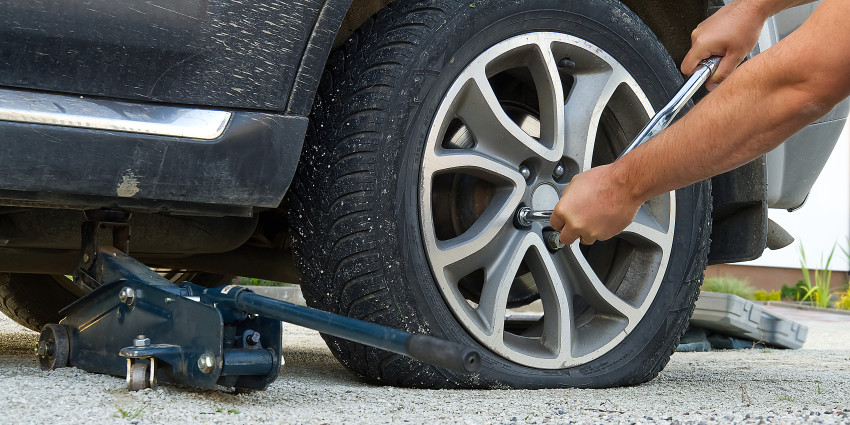
Knowing how to change a tire is an essential skill for every driver. A flat tire can happen anywhere, at any time, and being prepared can save you time, money, and stress. This guide explains how to change a tire safely and correctly, even if you have never done it before.
Why You Should Know How to Change a Tire
A flat tire does not always happen near a workshop or service station. Learning this basic car maintenance skill helps you stay independent on the road. It also keeps you safe while waiting for help may not be an option. Whether you drive daily or occasionally, understanding tire replacement is important.
Tools You Need to Change a Tire
Before you start, make sure you have the necessary tools. Most cars come with these in the trunk.
- Spare tire (fully inflated)
- Car jack
- Lug wrench
- Wheel wedges or heavy objects
- Flashlight (helpful at night)
- Gloves for better grip
Having these tools ready makes the tire changing process easier and safer.
Step 1: Move to a Safe Location
As soon as you notice a flat tire, slow down and pull over to a safe, flat area. Avoid curves, slopes, or busy traffic lanes. Turn on your hazard lights to alert other drivers. Safety should always come first when changing a tire on the road.
Step 2: Secure the Vehicle
Apply the parking brake firmly to prevent the car from rolling. Place wheel wedges or heavy objects behind or in front of the tires opposite the flat one. This step adds extra stability while you work.
Step 3: Loosen the Lug Nuts
Use the lug wrench to slightly loosen the lug nuts on the flat tire. Do not remove them completely yet. Turn them counterclockwise using steady pressure. Loosening them before lifting the car makes removal easier.
Step 4: Lift the Car with the Jack
Position the jack under the correct jacking point, which is usually indicated in the vehicle manual. Slowly raise the car until the flat tire is a few inches off the ground. Make sure the car feels stable before continuing.
Step 5: Remove the Flat Tire
Now fully remove the loosened lug nuts and place them somewhere safe. Carefully pull the flat tire straight toward you and set it aside. Avoid placing your hands under the vehicle at any point.
Step 6: Mount the Spare Tire
Line up the spare tire with the wheel bolts and gently push it into place. Hand tighten the lug nuts onto the bolts to secure the tire. Do not fully tighten them yet.
Step 7: Lower the Car and Tighten Lug Nuts
Slowly lower the car until the spare tire touches the ground. Use the lug wrench to tighten the lug nuts in a crisscross pattern. This ensures even pressure and proper tire installation.
Step 8: Fully Lower the Car
Lower the car completely and remove the jack. Give the lug nuts a final tight turn to make sure they are secure. The tire should feel firm and stable.
Step 9: Check Tire Pressure
If possible, check the spare tire pressure using a tire gauge. Spare tires often have lower pressure if they have been stored for a long time. Drive carefully to the nearest tire shop for a permanent fix.
Important Safety Tips When Changing a Tire
- Never change a tire on a steep or uneven surface
- Do not place any part of your body under the car
- Drive slowly if using a temporary spare tire
- Get the damaged tire repaired or replaced as soon as possible
Common Mistakes to Avoid
Many people forget to loosen lug nuts before lifting the car, which makes the job harder. Others rush and forget to secure the vehicle properly. Taking your time and following the steps carefully prevents accidents and damage.
Final Thoughts
Learning how to change a tire is a valuable skill that every driver should have. With the right tools and proper steps, you can handle a flat tire confidently and safely. Practicing at home before an emergency can make a big difference when you need it most.
For more practical guides and tech related tips, keep visiting techinfospot.com.


