


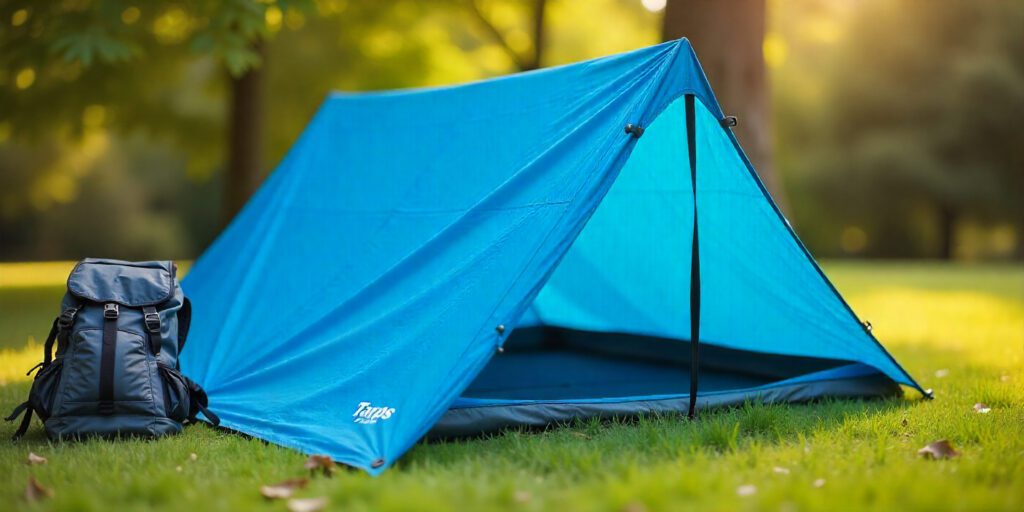
How do Water-Resistant Covers Block Moisture?
Water can cause many problems when it gets where it does not belong. It can damage furniture, tools, vehicles, building materials, and even outdoor equipment. That is why water-resistant covers are so important. They act like a shield that helps block moisture before it causes trouble. In this blog, we will explain how water-resistant covers work, why they matter, and how they help protect items across the USA. The goal is to keep things dry in a simple and smart way.
What Does Water-Resistant Really Mean?
Water-resistant does not mean completely waterproof in every situation. Instead, it means the material is made to slow down or stop water from soaking through during rain, splashes, or light moisture. These covers are designed to handle everyday weather conditions, especially when items are stored outside or in damp places. Water-resistant covers are commonly used for outdoor storage, construction sites, camping gear, backyard furniture, and more. They help prevent damage caused by rain, dew, snow, and humidity.
Why Moisture Is a Big Problem
Moisture might seem harmless, but over time, it can cause serious damage. Wood can rot, metal can rust, and fabric can grow mold or mildew. Even plastic items can weaken when exposed to water for long periods. In the USA, the weather changes often. Some areas get heavy rain, while others deal with snow, storms, or high humidity. Without protection, moisture can slowly ruin valuable items. Water-resistant covers help reduce this risk by keeping moisture away.
How Water-Resistant Covers Are Made
- Special Fabric Materials: Water-resistant covers are made using special fabrics. These fabrics are often tightly woven so water cannot easily pass through. Some materials are treated with coatings that repel water. When rain hits the surface, it beads up and rolls off instead of soaking in.
- Protective Coatings: Many covers have an added layer of protection. This coating acts like a barrier that blocks moisture. It also helps the cover last longer, even when used outdoors for long periods. The coating is usually applied during manufacturing to make sure it spreads evenly.
- Strong Seams and Edges: Seams are weak points where water can sneak in. Good water-resistant covers have sealed or reinforced seams. This helps prevent water from leaking through the stitching. Strong edges also stop tearing, which could let moisture inside.
How Water-Resistant Covers Block Moisture
Repelling Water on Contact
When water touches a water-resistant cover, it does not sink in right away. Instead, it stays on
the surface. Gravity then helps the water slide off. This simple action keeps the item underneath dry.
Reducing Water Absorption
Normal fabric absorbs water like a sponge. Water-resistant fabric does not. It slows down absorption, so moisture has less chance to reach what is being covered. This is very helpful during short rainstorms or overnight dew.
Creating a Physical Barrier
Water-resistant covers act like a wall between moisture and your items. Even if the outside of the cover gets wet, the inside stays dry. This barrier is key to long-term protection.
Common Uses of Water-Resistant Covers
- Outdoor Furniture Protection: Patio chairs, tables, and grills are often left outside. Rain and moisture can cause rust, fading, and cracking. A water-resistant cover helps keep these items in good shape all year.
- Construction and Job Sites: On job sites, tools and materials need protection from rain. Covers help keep supplies dry so work can continue without delays.
- Vehicles and Equipment: Cars, motorcycles, boats, and lawn equipment can suffer from moisture damage. Covers help block rain and morning dew, especially when items are stored outside.
- Storage and Moving: During storage or moving, moisture can damage boxes and belongings. Using covers, including large waterproof tarps, helps protect items from unexpected leaks or damp conditions.
Choosing the Right Water-Resistant Cover
Pick the Right Size
A cover should fully fit the item. Too small, and it will not protect well. Too large, and water may collect in folds. Measure carefully before buying.
Check Material Quality
Look for covers made from strong, durable fabric. Thicker materials usually offer better moisture protection and last longer.
Look for Secure Fasteners
Straps, grommets, or elastic edges help keep the cover in place during wind or storms. A secure fit means better moisture blocking.
Think About Airflow
Some covers include vents. These allow air to move while still blocking water. Airflow helps reduce condensation under the cover.
Caring for Your Water-Resistant Cover
Caring for your water-resistant cover is important if you want it to stay strong and useful for a long time. Regular cleaning helps remove dirt, dust, and stains that can slowly wear down the fabric. Always allow the cover to dry completely before folding or storing it to prevent mold or mildew. Keep it away from sharp edges or rough surfaces that may cause tears. Simple care steps help maintain its moisture-blocking power.
Conclusion
Water-resistant covers play a big role in protecting items from moisture damage. They work by repelling water, reducing absorption, and creating a strong barrier. Whether used for outdoor furniture, equipment, or storage, these covers help keep things dry and safe in all kinds of weather across the USA. Choosing the right cover and caring for it properly can make a big difference. With simple use and regular care, water-resistant covers provide long-lasting protection and peace of mind. Many people trust Tarps Plus for reliable, durable, and high-quality cover solutions.