


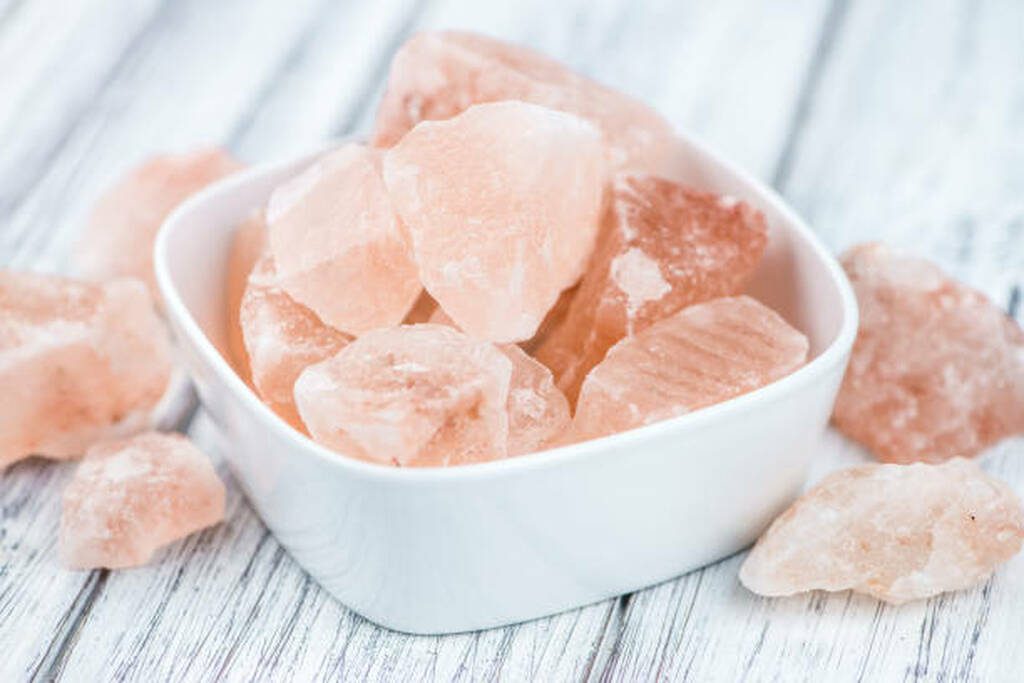
When you think of pink salt, your mind probably jumps to those trendy salt lamps or the fancy grinders at upscale restaurants. But have you ever wondered where this beautiful mineral actually comes from? Pakistan sits on some of the world’s most extensive salt deposits, and while a few big names dominate the market, there’s a whole ecosystem of producers working tirelessly in the shadows. Let’s dive into the fascinating world of pink salt production in Pakistan and uncover some producers you’ve probably never heard of.
The Rich History Behind Pakistan’s Salt Industry
Pakistan’s salt story goes back millions of years, literally. The salt deposits found in the country, particularly in the Punjab region, were formed during the Precambrian era when ancient seas evaporated, leaving behind thick layers of crystallized minerals. The most famous of these deposits is located in the Khewra region, which houses the world’s second-largest salt mine.
What makes these deposits special isn’t just their size—it’s their purity and mineral composition. The pink hue that gives Himalayan salt its distinctive appearance comes from trace minerals like iron oxide, magnesium, and calcium. These minerals not only create that Instagram-worthy color but also contribute to the salt’s purported health benefits.
The Geographic Advantage
The Salt Range in Punjab stretches for about 300 kilometers and contains multiple mining sites beyond just the well-known Khewra mine. This geographic spread has allowed numerous Himalayan salt manufacturers in Pakistan to establish operations across different locations, each accessing slightly different mineral compositions and crystal formations.
The Production Process: From Mine to Market
Understanding how pink salt goes from underground deposits to your kitchen table helps appreciate the work these lesser-known producers do. The process is more complex than you might think, and it requires significant expertise and investment.
Traditional Mining Methods
Many smaller producers still use traditional mining techniques that have been passed down through generations. These methods involve hand-cutting salt blocks from the mine walls, a labor-intensive process that requires skilled workers who can identify the best quality crystals. While modern machinery has made its way into larger operations, traditional methods often produce superior quality salt because they minimize contamination and preserve the natural crystal structure.
Quality Grading and Processing
After extraction, the salt goes through various stages of processing. First, it’s sorted by color and clarity—the deeper pink varieties typically command higher prices because they contain more trace minerals. Then it’s cleaned, sometimes crushed or ground depending on its intended use, and packaged for distribution.
What’s interesting is that many Himalayan salt manufacturers in Pakistan specialize in different grades and types of products. Some focus on large crystal blocks for salt lamps and construction, while others concentrate on fine-ground culinary salt or coarse crystals for salt therapy rooms.
The Lesser-Known Players in the Industry
While we won’t mention specific company names, it’s worth understanding the different tiers and types of producers operating in Pakistan’s salt industry. This knowledge helps you appreciate the diversity and specialization within the sector.
Family-Run Operations
Many salt producers are multi-generational family businesses that have been operating for decades, sometimes over a century. These operations typically employ anywhere from a handful to several dozen workers and maintain close relationships with specific mine sites. They often have incredibly deep knowledge about salt quality, mining techniques, and the local geology.
These family businesses usually serve regional markets or work as suppliers to larger distributors. Their smaller scale allows them to maintain strict quality control and often produce some of the finest salt available, even if their names aren’t recognized internationally.
Artisanal Producers
There’s a growing segment of artisanal salt producers who focus on premium, hand-selected products. These producers personally oversee every step of the process, from selecting which crystals to extract to the final packaging. They’re the craft brewers of the salt world, if you will.
Artisanal producers often create specialty products like salt slabs for cooking, decorative salt pieces, or ultra-pure salt for specific culinary applications. Their production volumes are small, but their attention to detail is unmatched.
Mid-Sized Export-Focused Manufacturers
Between the small family operations and the industry giants, there’s a robust middle tier of Himalayan salt manufacturers in Pakistan who focus primarily on export markets. These companies have invested in modern processing facilities and quality certification systems to meet international standards.
They typically employ anywhere from 50 to 200 workers and have established relationships with importers in various countries. Many of these mid-sized producers are the actual manufacturers behind products you might see in specialty stores abroad, even though they operate under the radar in terms of consumer brand recognition.
The Challenges Facing Smaller Producers
Running a salt manufacturing operation in Pakistan comes with unique challenges, especially for those producers who aren’t household names. Understanding these challenges gives you insight into why some producers remain lesser-known despite producing excellent products.
Infrastructure and Logistics
Getting salt from remote mining areas to processing facilities and then to market requires solid infrastructure. Smaller producers often face challenges with transportation costs, especially when exporting internationally. Road conditions in some mining regions can be difficult, and the weight of salt makes transportation expensive.
Meeting International Standards
Export markets increasingly demand various certifications and quality assurances. For smaller Himalayan salt manufacturers in Pakistan, obtaining certifications like organic, fair trade, or food safety credentials can be financially challenging. The testing and documentation requirements, while important for quality assurance, create barriers to entry for smaller players.
Marketing and Brand Recognition
Without substantial marketing budgets, many excellent producers remain unknown to end consumers. They might supply salt to other companies who then rebrand it, or they might focus exclusively on bulk sales to distributors. This business model can be profitable, but it means their contributions to the industry go unrecognized by the general public.
The Future of Pakistan’s Salt Industry
The salt industry in Pakistan is evolving rapidly. Growing global demand for natural, minimally processed foods has created new opportunities for producers of all sizes. There’s increasing interest in the trace mineral content of Himalayan salt, and consumers are becoming more curious about sourcing and production methods.
Sustainability and Ethical Mining
One positive trend is the growing emphasis on sustainable mining practices and worker welfare. While large-scale industrial mining will always have environmental impacts, many producers are adopting more responsible approaches. This includes proper mine ventilation, worker safety measures, and consideration of long-term resource management.
Value-Added Products
Many producers are moving beyond raw salt to create value-added products. This includes items like salt inhalers, bath salts, and cooking blocks. By diversifying their product lines, smaller manufacturers can compete more effectively and capture higher margins.
Wrapping Up
Pakistan’s pink salt industry is far more diverse and dynamic than most people realize. While a few names dominate the global market, there’s an entire ecosystem of dedicated producers working to extract, process, and deliver this remarkable natural resource. From family operations that have worked the same mine sites for generations to innovative artisans creating specialty products, these lesser-known manufacturers form the backbone of the industry.
Next time you use pink salt, take a moment to appreciate the journey it’s made—from ancient seabeds to skilled hands working in mines and processing facilities across Pakistan. The story of this simple mineral is a testament to human ingenuity, natural wonder, and the dedicated work of producers who may never receive recognition but continue to contribute to this fascinating industry.
Understanding the breadth and depth of the salt manufacturing sector helps us appreciate not just the product itself, but the people and processes behind it. These hidden gems of the industry deserve recognition for their craftsmanship, dedication, and the quality products they create.