


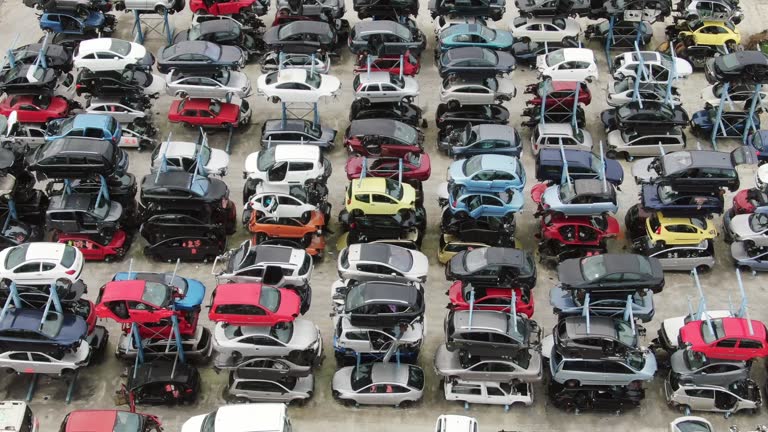
Many people use the terms car wreckers, scrap yards, and auto recyclers as if they mean the same thing. In reality, each plays a different role in the automotive industry. While all three deal with end of life vehicles, their purpose, process, and focus are not identical.
Understanding the difference helps vehicle owners make informed decisions when disposing of an old or damaged car. It also helps buyers who are searching for used parts. This article explains how these three sectors operate in Australia and how they connect to the wider automotive recycling system.
Understanding End of Life Vehicles in Australia
An end of life vehicle is a car that is no longer suitable for road use. This may be due to severe damage, mechanical failure, corrosion, or legal write off status. In Australia, thousands of vehicles reach this stage each year.
A standard passenger vehicle contains steel, aluminium, copper, plastics, rubber, and fluids such as oil and coolant. Steel makes up the largest portion of a vehicle’s weight. Recycling steel uses much less energy than producing new steel from raw iron ore. This makes vehicle recycling an important part of resource management.
When a car reaches end of life, it usually enters one of three pathways: wrecking, scrapping, or recycling.
What Are Car Wreckers?
Car wreckers focus mainly on dismantling vehicles and removing usable parts. Their primary aim is to recover components that still function and can be resold.
When a vehicle arrives at a wrecking yard, workers inspect it carefully. They remove parts such as:
- Engines
- Gearboxes
- Alternators
- Starters
- Radiators
- Doors and panels
- Interior components
These parts are tested and stored for resale. This process supports the second hand spare parts market in Victoria and across Australia.
Car wreckers play an important role in reducing demand for new parts manufacturing. Producing new automotive parts requires energy and raw materials. Reusing working components helps lower this demand.
Wreckers usually deal with vehicles that are damaged but still contain many reusable parts. The metal body is often sent to metal recyclers after dismantling.
What Are Scrap Yards?
Scrap yards focus mainly on metal recovery. Their main interest is the raw material rather than the working parts.
When a vehicle reaches a scrap yard, the process is different from a wrecking yard. Instead of carefully removing parts for resale, the vehicle is usually stripped of hazardous materials and then crushed. The metal shell is processed and sent for shredding.
The shredded material is separated into different metals. Steel, aluminium, and copper are sorted and prepared for recycling.
Scrap yards deal with vehicles that may have little or no reusable parts left. These cars are often severely damaged, burnt, rusted, or incomplete.
The core function of a scrap yard is material recovery rather than parts resale.
What Are Auto Recyclers?
Auto recyclers combine elements of both wrecking and scrapping. They focus on environmental compliance, parts recovery, and responsible disposal.
Auto recycling involves several structured steps:
- Draining fluids such as oil, coolant, and fuel
- Removing batteries and hazardous components
- Dismantling reusable parts
- Processing the metal shell for recycling
This system ensures environmental regulations are followed. Automotive fluids and refrigerant gases must be handled correctly to prevent contamination of soil and water.
Auto recyclers often operate under strict guidelines. They maintain records and follow environmental protection laws set by Australian authorities.
In many cases, modern wreckers also operate as recyclers. The industry has evolved, and many businesses now provide both dismantling and recycling services under one operation.
Key Differences Between the Three
While there is some overlap, the main differences can be summarised in focus and process.
Car wreckers focus on recovering usable parts for resale.
Scrap yards focus on recovering metal for recycling.
Auto recyclers focus on responsible dismantling, parts recovery, and environmental compliance.
A vehicle with working components may go first to a wrecker or recycler. A vehicle that is completely destroyed may go directly to a scrap yard.
The difference lies in whether the priority is parts reuse or raw metal recovery.
Environmental Impact of Each Sector
All three sectors contribute to reducing automotive waste. However, their environmental role varies.
Car wreckers reduce manufacturing demand by keeping parts in circulation. Every reused engine or gearbox means one less new unit needs to be produced.
Scrap yards reduce landfill by recycling large volumes of steel and aluminium. Steel from old vehicles is commonly reused in construction and manufacturing.
Auto recyclers focus on proper disposal of hazardous materials. Vehicle fluids, batteries, and refrigerant gases must not enter the environment. Recycling centres ensure these materials are handled according to regulations.
Australia places increasing focus on sustainable waste management. Vehicle recycling plays a major role in this effort.
When Should a Vehicle Owner Choose Each Option?
The condition of the vehicle often determines where it should go.
If the car still contains usable parts but cannot be driven safely, a wrecker may be the right option. This allows parts to be reused in other vehicles.
If the car is severely damaged, burnt, or stripped of parts, a scrap yard may be more suitable.
If the owner wants proper dismantling and environmental handling, an auto recycler may be preferred.
In Melbourne, many vehicle owners look for services such as car wreckers near Melbourne when their vehicles reach end of life. Choosing a business that handles dismantling and recycling responsibly ensures the vehicle enters the correct recovery process. This step connects the owner to the broader recycling system while meeting legal and environmental standards.
Legal and Regulatory Considerations in Victoria
In Victoria, written off vehicles are recorded in official registers. A statutory write off cannot return to the road and must be dismantled or recycled.
Owners must also transfer registration correctly or cancel it if the vehicle is being disposed of. Failure to complete these steps can lead to ongoing liability issues.
Licensed operators follow state environmental guidelines. These guidelines cover fluid disposal, battery handling, and waste management.
Proper documentation ensures the vehicle is removed from the road system lawfully.
Economic Role in the Automotive Industry
The automotive recycling sector supports multiple industries. Recovered steel feeds manufacturing plants. Reused parts supply workshops and repairers.
This sector reduces pressure on raw material extraction. Mining and new material production require high energy use. Recycling lowers energy demand and greenhouse gas emissions.
The second hand parts market also supports vehicle owners who need replacement components for older cars.
Through dismantling, scrapping, and recycling, end of life vehicles continue to serve a purpose.
Conclusion
Car wreckers, scrap yards, and auto recyclers all handle end of life vehicles, but their roles differ. Wreckers focus on reusable parts. Scrap yards focus on metal recovery. Auto recyclers combine dismantling with environmental responsibility.
Understanding these differences helps vehicle owners choose the correct pathway when disposing of a damaged or unwanted car. It also highlights the importance of responsible automotive recycling in Australia.
Although a vehicle may no longer run, its materials and parts remain useful. Through proper handling, these resources return to manufacturing and reduce waste across the automotive industry