


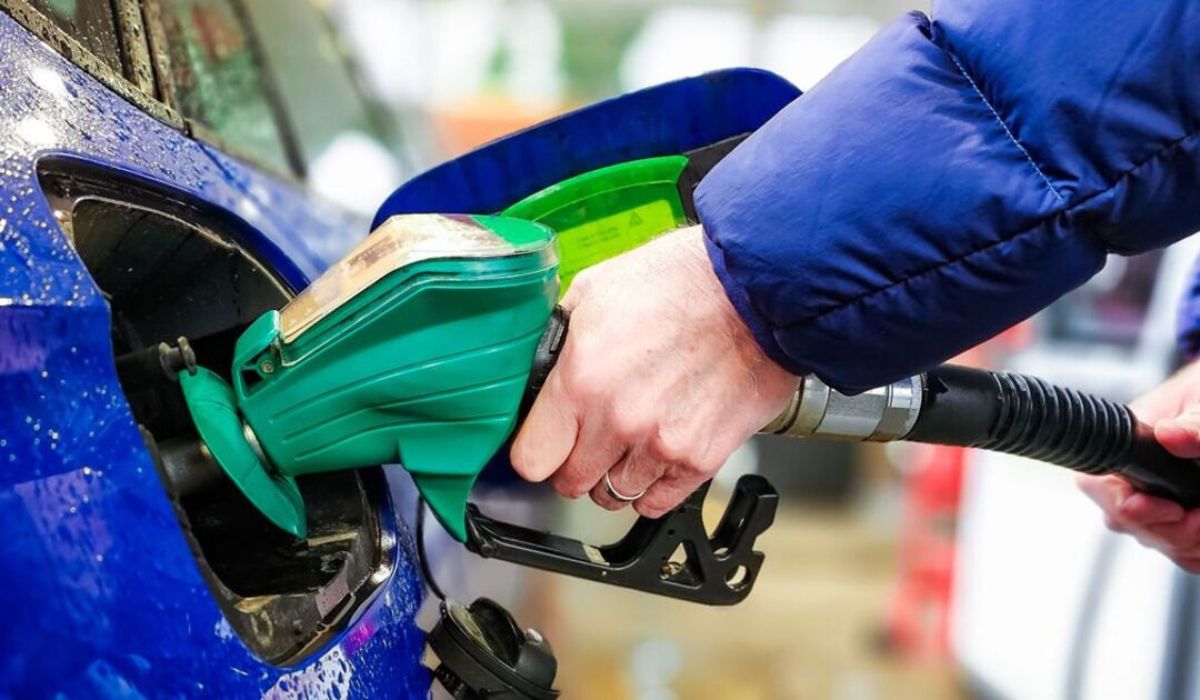
In these uncertain fuel prices and ecologically sensitive times, enhancing your car’s fuel economy should be the primary concern, and it is a win-win situation for your wallet and the planet. Better miles per gallon are not achieved with one magical solution but are a result of conscientious driving habits combined with proactive vehicle maintenance. Many motorists overlook the direct connection between a well-maintained car and its fuel economy. Simple but regular maintenance can solve the common issues that are silently draining your fuel, such as under-inflated tyres, dirty air filters, or worn-out engine parts. The best approach is holistic toward caring for the car. For drivers who require thorough support, a reliable service provider like Midland car care can carry out these essential checks and adjustments to make sure your car is running at the height of efficiency.
Regular Service and Tuning of the Engine
An engine that is not properly maintained will always be less efficient. The main reasons that badly affect mileage to the extent of causing a car to consume more fuel are dirty air filters, worn-out spark plugs, and a malfunctioning oxygen sensor. A dirty air filter will reduce the amount of air that comes to the engine, and therefore, the engine will have to run on a richer and less efficient fuel mixture. Worn spark plugs can lead to misfires. The service done professionally will let the combustion efficiency be at its best by keeping the involved components working properly. It is a necessary expenditure that will ultimately result in a return through better performance and lower fuel costs.
Use the Correct Engine Oil Specification
In fact, the use of the right engine oil grade recommended by the manufacturer has a quantifiable fuel economy benefit. The new low-viscosity oils, like 0W-20 or 5W-30, are able to cut down on the internal friction of an engine to such an extent that now the engine parts can slide with great ease. Consequently, this leads to a reduction in the total power that is needed to get rid of the friction, and more power is available for the wheels. Always verify this specification in your vehicle’s manuals, particularly during the changing oil period. This seemingly insignificant technical choice reduces the resistance of the mechanical part, and so your engine operates in a much smoother and more efficient manner.
Plan Journeys and Avoid Excessive Idling
A good journey planning reduces multiple short, cold-engine runs that are largely inefficient. Try to do all your shopping and other errands in a single trip. And also, do not let your engine idle for a long time. New engines do not require long warming-up periods; gentle driving is the best way to bring the engine up to its operating temperature. If you are going to be stopped for more than 60 seconds, except in traffic, then it is more fuel-efficient to turn the engine off. This easy habit stops the burning of fuel for zero miles travelled, which is a typical source of wasted energy in city driving.
Monitor and Utilise On-Board Fuel Economy Displays
Almost all new cars come with a fuel economy display that is updated in real time, and sometimes accompanied by a trip computer. You should use this as a trainer to get very close and direct feedback on how your driving behaviour impacts fuel consumption. One can do tricks with things like taking off easily and coasting just to see the positive results on the digital readout. It also helps to track your mpg over time to spot any sudden drops in efficiency, which could signal such mechanical problems as a sticking brake calliper or a failing sensor, that may become less severe with early investigation.
Keep Fuel System Components Clean and Efficient
Components of the fuel system, like fuel injectors and intake valves, have a tendency to accumulate deposits that affect the combustion process by impacting the air-fuel mixture or its evaporation, besides giving the engine less power. The same fuel that is washed away through the system is normally used through the combustion process, so no more fuel is used for this washing up. Adding a good quality fuel system cleaner that is compatible with your car will be helpful in the process of changing oil or a top-up, and it will help to dissolve and remove these deposits. In the case of older cars or those used mostly for short distances, this periodic cleaning might not only restore lost performance and fuel efficiency but would also cut costs on future repairs and replacements. A clean fuel delivery system is paramount to the ignition of maximum engine efficiency and power.
Conclusion:
The adoption of efficient fuel-saving habits is practical through the combined efforts of conscientious driving and regular vehicle maintenance. The gradual increase in fuel economy is achieved by proper tyre maintenance, smooth driving with few jerks and abrupt stops, removing unnecessary weight, and complying with the service schedule. Besides, these measures will not require much investment but will yield savings that are both monetary and environmental. Viewing your car as an interconnected system where the condition of each part has an impact on the overall efficiency helps you take control of the running costs. The top reason for a more economical, reliable, and eco-friendly driving experience is regular, preventive maintenance.
Also, read: MOT Testing Tips: Tyre Pressure Guide for Safety


