


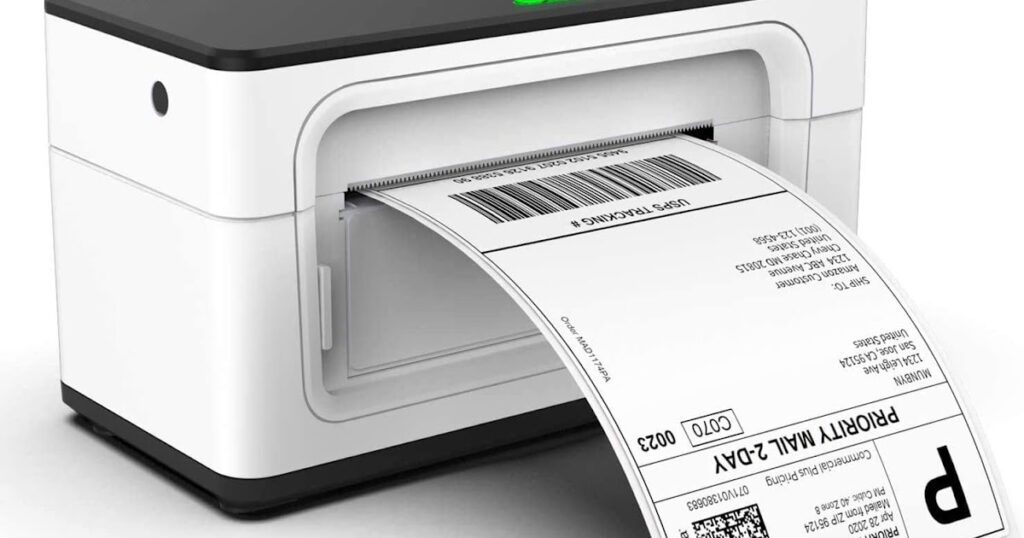
One of the most effective and widely used solutions is barcode labels. Simple in design yet powerful in function, barcode labels have become an essential tool for businesses of all sizes. In the modern business world, speed, accuracy, and efficiency are more important than ever. Companies across industries are constantly searching for smarter ways to manage inventory, track products, and reduce operational errors.
What Are Barcode Labels?
Barcode labels are printed tags that contain barcodes—machine-readable symbols that store product or item information. Each barcode represents data such as product ID, price, batch number, or stock level. When scanned using a barcode scanner or mobile device, the information is instantly retrieved from a connected system.
Barcode labels eliminate manual data entry and enable fast, accurate identification of products, making them a critical part of modern business operations.
How Barcode Labels Work:
The working process of barcode labels is simple and efficient:
- Product data is entered into a system
- A unique barcode is generated
- The barcode is printed on a label
- The label is attached to the product
- A scanner reads the barcode
- The system updates data in real time
Why Barcode Labels Are Essential for Modern Businesses:
Barcode labels play a vital role in boosting efficiency across various business functions. Here’s how they support modern operations:
1. Increased Accuracy and Reduced Errors
Manual data entry often leads to mistakes, especially in high-volume environments. Barcode labels reduce human error by allowing systems to capture data automatically through scanning. This ensures consistent accuracy in inventory records, pricing, and order processing.
2. Faster Workflow and Productivity
Scanning a barcode takes only seconds, saving valuable time for employees. Whether it’s checking inventory, processing shipments, or handling customer checkouts, barcode labels significantly speed up daily operations.
3. Real-Time Inventory Management
Barcode labels enable real-time tracking of inventory. Each scan updates stock levels instantly, allowing businesses to monitor product movement and availability. This helps prevent overstocking, stock shortages, and product losses.
4. Cost Efficiency
Barcode systems are affordable and easy to implement. Compared to advanced tracking technologies, barcode labels offer an excellent return on investment by reducing labor costs, minimizing errors, and improving operational efficiency.
5. Better Data and Decision-Making
Barcode labels integrate with inventory management and ERP systems, providing accurate and up-to-date data. Businesses can analyze sales trends, inventory turnover, and demand patterns to make informed decisions.
Types of Barcode Labels Used in Businesses:
Different business environments require different types of barcode labels. Selecting the right type ensures performance and durability.
1. Paper Barcode Labels
Paper barcode labels are commonly used in retail and office settings. They are cost-effective and suitable for indoor use where exposure to moisture or heat is minimal.
2. Thermal Barcode Labels
Thermal barcode labels are printed using heat and do not require ink. They are widely used in logistics, shipping, and retail due to fast printing and clear output.
3. Synthetic Barcode Labels
Synthetic barcode labels are made from materials such as polyester or polypropylene. These labels are durable, water-resistant, and ideal for industrial and outdoor applications.
4. Permanent and Removable Labels
Permanent barcode labels are designed for long-term use, while removable labels are suitable for temporary tracking needs.
Industries Benefiting from Barcode Labels:
Barcode labels are used across many industries to improve efficiency.
Retail Industry
Retailers use barcode labels for pricing, inventory tracking, and point-of-sale systems. They help reduce checkout times and ensure accurate stock records.
Warehousing and Logistics
In warehouses, barcode labels track incoming and outgoing goods. This improves order accuracy, reduces shipping errors, and speeds up fulfillment.
Manufacturing
Manufacturers use barcode labels to track raw materials, work-in-progress items, and finished products. This enhances production control and quality assurance.
Healthcare
In healthcare, barcode labels are used for patient identification, medication management, and lab sample tracking. Accuracy is critical, and barcode systems help prevent serious errors.
Barcode Labels vs Manual Systems:
Manual tracking systems are slow, error-prone, and difficult to manage at scale. Barcode labels offer a modern alternative with clear advantages:
- Faster data entry
- Higher accuracy
- Lower labor costs
- Real-time data access
- Improved customer satisfaction
- These benefits make barcode labels a cornerstone of modern business efficiency.
Best Practices for Using Barcode Labels:
To maximize the benefits of barcode labels, businesses should follow best practices:
- Print barcodes with high resolution
- Use quality label materials
- Place labels in easily scannable areas
- Regularly test barcode readability
- Replace damaged labels promptly
- Proper implementation ensures consistent performance and long-term reliability.
The Future of Barcode Labels in Business Operations:
As businesses continue to adopt automation and digital tools, barcode labels remain highly relevant. Integration with cloud systems, mobile scanners, and analytics platforms is making barcode labels smarter and more efficient. Despite the rise of technologies like RFID, barcode labels continue to dominate due to their simplicity, affordability, and proven reliability.
Retail and Logistics to Manufacturing:
Barcode labels are a powerful yet simple solution that plays a major role in boosting efficiency in modern businesses. By improving accuracy, speeding up operations, and enabling real-time tracking, barcode labels help companies reduce costs and enhance productivity. From retail and logistics to manufacturing and healthcare, barcode labels remain an essential tool for businesses looking to streamline operations and stay competitive