


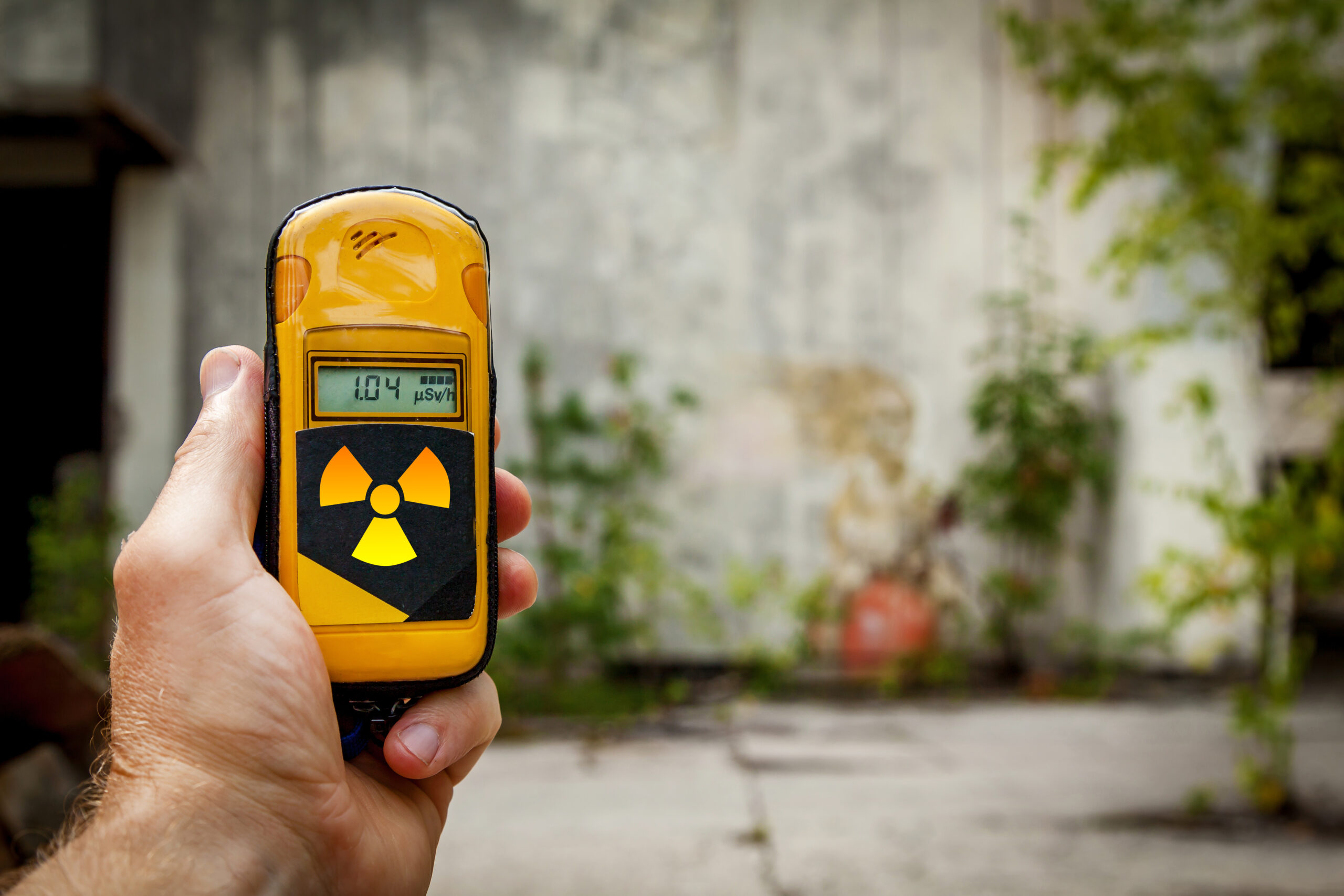
When you’re house hunting in the Denver area, there’s an invisible threat that could be lurking in your dream home – radon gas. This naturally occurring radioactive gas has become a significant concern for homebuyers throughout Colorado, and for good reason. Understanding why radon inspections matter and how they can protect your family’s health is essential knowledge for anyone considering a property purchase in the Mile High City.
Denver’s unique geological characteristics make it particularly susceptible to radon issues, which is why Radon Inspection Services in Denver, CO, have become an integral part of the home-buying process. Whether you’re a first-time buyer or a seasoned investor, understanding what radon is, why it’s hazardous, and how to protect yourself can save you from making a costly and potentially hazardous mistake.
Understanding Radon: The Silent Threat in Colorado Homes
What Exactly Is Radon Gas?
Radon is a colorless, odorless, and tasteless radioactive gas that forms naturally when uranium in soil, rock, and water breaks down. Because it cannot be seen, smelled, or tasted, radon can accumulate in homes without anyone knowing it’s there. This invisible nature makes it particularly dangerous, as families can be exposed to harmful levels for years without realizing it.
The gas typically enters homes through cracks in foundations, gaps around pipes, construction joints, and other openings that connect the house to the ground. Once inside, radon can become trapped and accumulate to dangerous levels, especially in lower levels of homes like basements and crawl spaces.
Why Denver Is Particularly at Risk
Colorado consistently ranks among the states with the highest radon levels in the country, and Denver is no exception. The Denver metropolitan area sits atop geological formations that are rich in uranium-bearing materials, which naturally produce radon gas. The Rocky Mountain region’s soil composition, combined with the area’s elevation and climate patterns, creates ideal conditions for radon accumulation in residential properties.
According to the Colorado Department of Public Health and Environment, approximately 50% of homes in Colorado have radon levels that exceed the EPA’s recommended action level of 4.0 picocuries per liter (pCi/L). In some areas around Denver, this percentage can be even higher, making professional testing absolutely crucial for potential homebuyers.
The Health Risks: Why Radon Testing Cannot Be Ignored
The Connection Between Radon and Lung Cancer
The health implications of radon exposure are severe and well-documented. Radon is the second leading cause of lung cancer in the United States, responsible for approximately 21,000 lung cancer deaths annually. What makes this statistic particularly alarming is that radon-induced lung cancer can affect anyone, including non-smokers and people who have never been exposed to other carcinogens.
When radon gas is inhaled, radioactive particles become trapped in the lungs, where they continue to emit radiation and damage lung tissue over time. This damage accumulates over years of exposure, significantly increasing the risk of developing lung cancer. The risk is even higher for smokers, as the combination of radon exposure and smoking creates a synergistic effect that dramatically increases cancer risk.
Long-Term Exposure Consequences
Unlike acute poisoning from other toxic substances, radon exposure is a long-term health concern. The effects of radon exposure typically don’t manifest immediately but develop over many years or even decades. This delayed onset makes it easy for homeowners to underestimate the importance of testing, but the cumulative effects can be devastating.
Children are particularly vulnerable to radon exposure because their lungs are still developing and they breathe more rapidly than adults. Families with young children should be especially vigilant about ensuring their homes are tested and, if necessary, treated for elevated radon levels.
The Home Buying Process: When and How to Test for Radon
Timing Your Radon Inspection
For homebuyers in Denver, radon testing should be a non-negotiable part of the home inspection process. Most real estate professionals recommend including a radon inspection contingency in your purchase offer, giving you the right to test for radon and negotiate based on the results. This contingency typically allows for a professional radon test to be conducted during the inspection period, usually within the first 7-10 days after your offer is accepted.
Radon Inspection Services Denver, CO typically conduct tests over a minimum period of 48 hours, though longer tests can provide more accurate results. Short-term tests are sufficient for real estate transactions, but if you’re already living in a home, a long-term test over 90 days or more will give you a better understanding of your home’s average radon levels throughout different seasons.
Professional vs. DIY Testing
While do-it-yourself radon test kits are available at hardware stores and online, professional testing is strongly recommended for real estate transactions. Professional inspectors have calibrated equipment and follow strict protocols to ensure accurate results. They also understand how to properly place detectors, control testing conditions, and interpret results in the context of real estate transactions.
Professional Radon Inspection Services Denver, CO, also provides detailed reports that are acceptable to lenders, real estate agents, and other parties involved in the transaction. These reports include specific recommendations for mitigation if elevated levels are found, which can be valuable information for negotiating repairs or price adjustments.
Mitigation Options: What to Do If Radon Levels Are High
Understanding Mitigation Systems
If radon testing reveals levels above 4.0 pCi/L, mitigation is strongly recommended. Fortunately, radon mitigation systems are highly effective and can reduce radon levels by up to 99% in most cases. The most common mitigation method is a sub-slab depressurization system, which uses a fan and pipe system to draw radon gas from beneath the foundation and vent it safely outside the home.
Other mitigation techniques may include sealing cracks and openings in the foundation, improving ventilation in crawl spaces, or installing specialized ventilation systems. The specific approach depends on the home’s construction, the radon levels detected, and the source of the radon entry.
Cost Considerations and Property Values
The cost of radon mitigation typically ranges from $800 to $2,500 for most homes, depending on the complexity of the system required. While this might seem like a significant expense, it’s important to consider it in the context of your home’s overall value and your family’s health. Many homebuyers successfully negotiate with sellers to cover mitigation costs or reduce the purchase price to account for this necessary improvement.
Properties with existing, properly functioning radon mitigation systems may actually be more desirable to informed buyers, as they demonstrate that the radon issue has been professionally addressed. Regular testing and maintenance of mitigation systems ensure they continue to operate effectively over time.
The Real Estate Negotiation Process
When elevated radon levels are discovered during the inspection period, buyers have several options. They can request that the seller install a mitigation system before closing, negotiate a credit to cover mitigation costs, or adjust the purchase price accordingly. Some buyers choose to proceed with the purchase and handle mitigation themselves after closing, which gives them control over the contractor selection and system specifications.
Working with knowledgeable real estate professionals who understand radon issues is crucial during these negotiations. Experienced agents can help structure agreements that protect both buyers and sellers while ensuring that the radon problem is properly addressed.
Making Informed Decisions: The Bottom Line for Denver Homebuyers
The importance of radon testing in Denver cannot be overstated. With Colorado’s high radon potential and the serious health risks associated with long-term exposure, every homebuyer should insist on professional radon testing as part of their due diligence process. Radon Inspection Services Denver, CO, provides the expertise and accurate testing necessary to make informed decisions about your potential new home.
Remember that radon problems are fixable, and finding elevated levels shouldn’t necessarily derail a home purchase. Instead, view radon testing as valuable information that helps you understand exactly what you’re buying and what steps might be necessary to ensure your family’s safety. The relatively small investment in professional testing can save you from significant health risks and provide peace of mind for years to come.
When you’re ready to start house hunting in Denver, make sure Radon Inspection Services, Denver, CO, is part of your team of professionals. Along with your real estate agent, home inspector, and mortgage lender, a qualified radon testing professional can help ensure that your new home is not only beautiful and functional but also safe for your family’s long-term health and well-being.
Also, read this: What Does an Arizona Home Inspector Actually Do?


