


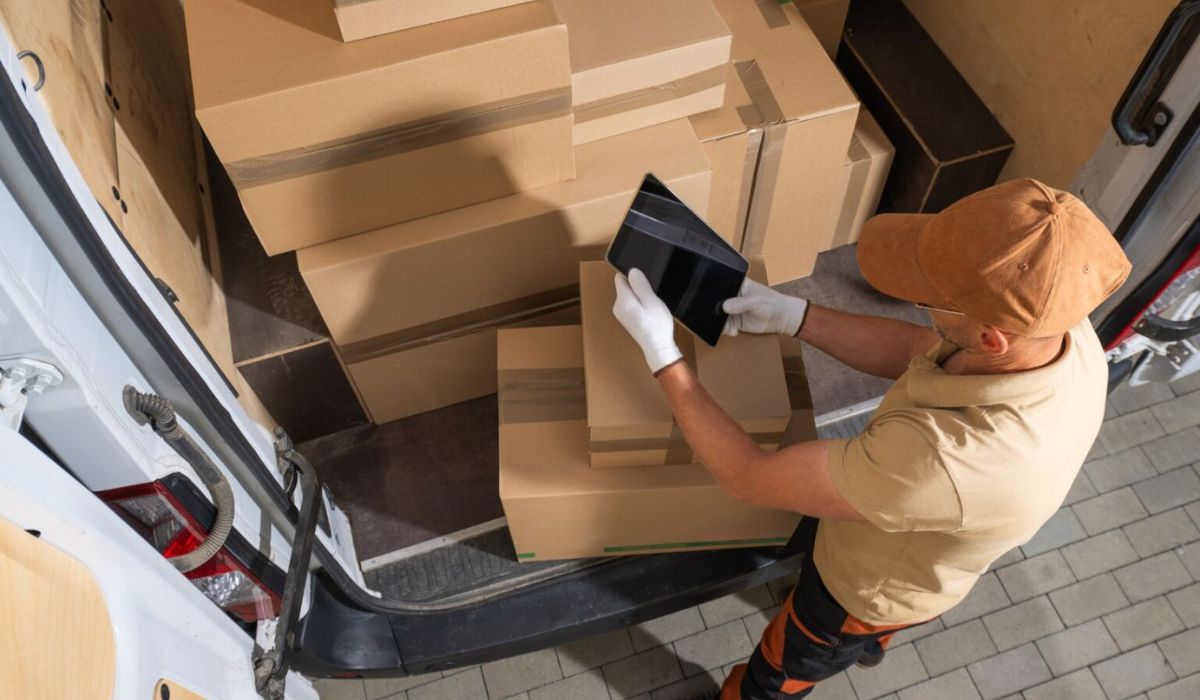
Amidst the fierce competition of the e-commerce and worldwide commerce landscape, the route of a product from your warehouse to the customer’s doorstep is full of risks. The mishandling of products, environmental impacts, and shocks during transit can easily change the condition of an item and turn it into a source of frustration for the customer, leading to returns and damage to the company’s reputation. Proper covering is not just a cardboard box, but it includes the selection of materials, design and process discipline. To solve this problem, lots of companies rely on expert packaging services to come up with solutions that not only ensure but also guarantee that the products will be delivered in perfect condition every single time.
Mastering Void Fill and Internal Cushioning
It is really very important to stop the product inside the box from moving at all. The void fills that are applied properly not only absorb the shock but also effectively immobilise the product. Various biodegradable options, such as paper cushioning, crumpled kraft paper, and compostable air pillows, are both effective and environmentally friendly. For delicate products, moulded pulp inserts or custom-cut foam cushions offer the best possible protection as they fit the items perfectly. The aim is to have a snug and cushioned environment where the product is tightly held in the middle of the box, that is, away from all the walls.
Utilising Protective Wraps and Barriers
Prior to putting an item into a box, sometimes it is necessary to give individual protection. Bubble wrap, foam wrap, and padded mailers should be used to cover the surfaces so that they do not get scratched or dented by minor impacts. In the case of moisture-sensitive goods, a polyethene bag or a sealed waterproof pouch creates an important barrier against humidity as well as accidental spills during transport. For very expensive electronic devices, anti-static bubble wrap must be used since it prevents electrostatic discharge. This layer-in method guarantees that even if the outer packaging gets damaged, the product itself still has an additional defensive barrier.
Implementing Strong Sealing and Reinforcement
The strength of a box is directly linked to its seals. The tape should be of good quality and at least 48 mm wide. The tape should be applied on both sides and edges in the form of ‘H’ (taping along the middle seam and then around the box’s perimeter at each end). For very heavy boxes, use filament tape to reinforce seams. Do not use masking tape, cellotape, or string, as these are not enough. Good sealing will keep the box from bursting open under stress, and thus, the tampering will be deterred, and the package will be kept intact till the end of its journey.
Strategic Labelling and Clear Handling Instructions
Labelling that is clear and durable is a very good measure of protection. Make sure that the address label is very clear and that it is securely,, and that no smudging can take place because of a clear plastic label pouch that protects it. Besides this, use such handling labels as “Fragile,” “This Side Up,” or “Keep Dry” that are very visible to the postal workers. For shipping overseas, place the customs papers in a wallet that is very easy to see. While these directives won’t ensure that the package will be handled carefully, they will, however, considerably enhance the likelihood that your package will be treated properly, thus reducing the chance of being dropped carelessly or stacked improperly.
Choosing the Right Service for the Product
The shipping carrier and service level should be matched to the product’s requirements. A standard postal service might be adequate for a strong and low-value product; on the other hand, a tracked, express, or specialist fragile-handling service is required for fragile, high-value, and time-sensitive goods. Premium shipping services generally have the advantage of fewer handling touchpoints and more controlled environments. In the case of irregularly shaped items such as art or furniture, white-glove couriers are the safest option. The extra cost is a security investment that is often compensated for by the avoidance of damage claims and the retention of customer goodwill.
Employing Palletisation for Bulk Shipments
For large, heavy items or multiple boxes, palletisation is the gold standard of shipping. The heavy-duty stretch wrap and banding secure the boxes on the wooden or plastic pallet and create a single, stable unit that can be mechanically handled with forklifts. This ensures the boxes do not get thrown around or crushed. Weatherproofing is provided by pallet covers or shrouds. This method is necessary for freight, wholesale orders, or international sea/air cargo, ensuring that your consignment moves as one protected entity instead of a collection of vulnerable separate pieces.
Conclusion
Shipping products safely is an intricate process that involves both material science and logistical planning. The selection of the box material, the intelligent application of internal cushioning, and the choice of the carrier all play an important part in the overall process. In this era where unboxing is considered part of the brand storytelling, secure and professional packaging is no longer just a shipping must; it is a potent declaration of quality and care that lasts long after the customer has made the purchase.
Also, read: Branding Agency Checklist for Effective Market Positioning


