


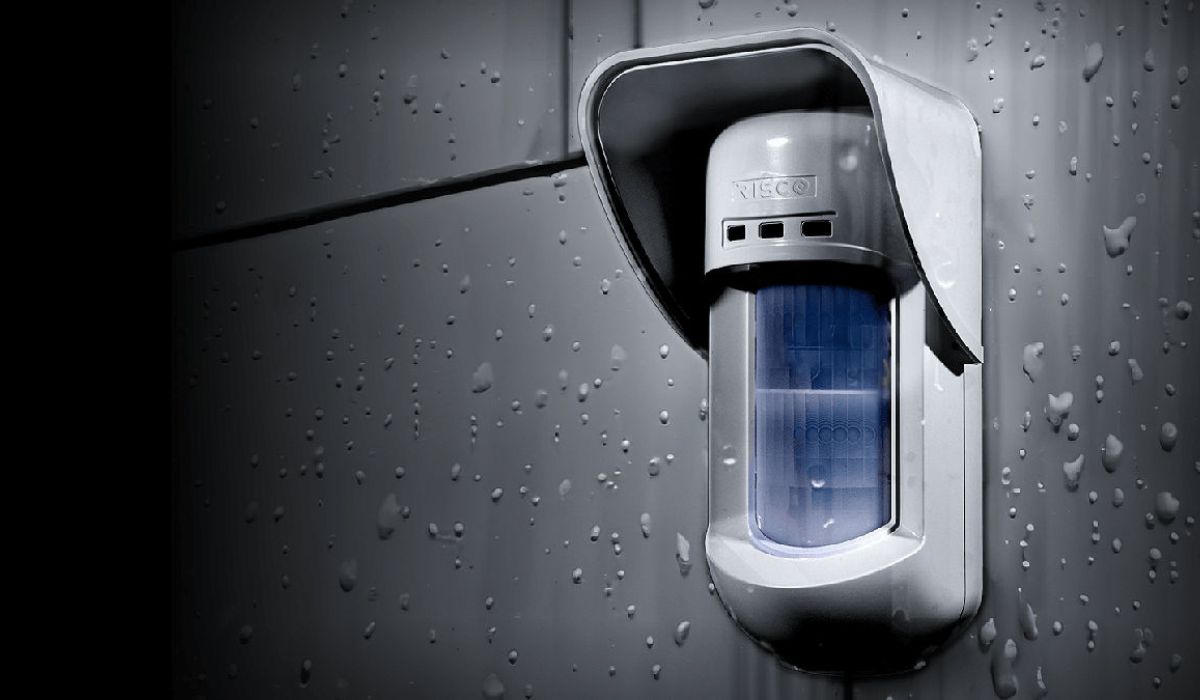
Often, a house feels safe just because we have lived there for years. Actual safety, meanwhile, depends on what’s discreetly guarding you in the background. More work is done than we realise by sensors, alarms, and tiny gadgets hidden in corners. As technology sharpens, older systems begin to lag as well. Then updates become relevant. Modern wireless intruder alarm systems reveal how far house security has come. They fit into your daily schedule without effort, react more quickly, and communicate more elegantly. Upgrading your sensors helps to ensure your home matches today’s hazards, as well as being a technical undertaking. Safety changes; so should your alarm system.
Old or Outdated Technology
Though they fall short of current security norms, alarm sensors from many years ago may still function. Older models depend on a few detection strategies. They may take longer to set alerts or miss tiny motions. More advanced algorithms and improved precision come from new sensors. They react fast and adjust to many surroundings. Thinking about an update is advisable if your security system is over five to seven years old. Modern choices provide great protection for little effort.
Frequent False Alarms
False alarms can be annoying and upsetting. Your sensors are failing in sensitivity or misreading daily motion, hence they might happen. Worn-out components frequently cannot separate harmless activity from actual threats. Unnecessary alerts can be caused by pets, drafts of wind, or changing curtains. Frequent fake alarms indicate your sensors are no longer trustworthy. Upgrading helps to lower these interrupts. While remaining sharp for actual threats, new designs are meant to disregard movement from dogs or small items.
Poor Connectivity
Many older sensors battle to keep reliable links. They may disconnect from the main panel or fail to send timely alerts. Weak signals undermine your whole security plan. Stronger wireless technology and encrypted communication are used by contemporary sensors. They quickly link and remain stable even in bigger houses. Upgrade now if you regularly see error messages or slow notifications. Reliable connection guarantees that every alert reaches you without lag.
Visible Wear and Tear
Physical harm reveals a lot about how well sensors operate. Loose fixtures, colour, or cracks damage precision. How effectively the sensor responds is also influenced by dust accumulation and moisture. Detection can be hampered even by little indicators of use. Your sensors might already be over their useful life if they seem worn out or broken. Swapping them gives new, consistent performance. It also stops failures during crucial situations.
Changes in Home Layout
Renovations or fresh furniture layouts can affect how sensors interpret movement. Detect path obstructions that come from walls, doors, and big items. Once working flawlessly, a sensor might not now cover the appropriate zone. By upgrading, you may reposition sensors that fit your new design. Furthermore, you could select versions with bigger angles, longer range, or particular detection. This makes sure every area of your house is constantly watched without gaps.
Integration With Smart Systems
Smart houses depend on devices linked flawlessly. Older sensors might not be able to integrate contemporary technologies. They could not link to smart hubs, voice assistants, or mobile apps. Improving allows you more control and phone notifications that come right through. From anywhere, smart-compatible sensors let you keep an eye on your home. They also use automated systems, such as door locks or lighting activation in response to a breach. New sensors are a reasonable investment if you want a more intelligent, more fluid system.
Growing Security Needs
Your security needs change with time. Perhaps you began to put in late hours, included priceless things in your house, or just need more security. Life’s changes frequently call for better tools. Newer sensors offer specific capabilities, including thermal sensing, glass-break detection, and sophisticated motion detection. These components help to reinforce your general security plan. Updating your sensors guarantees your house stays protected at every level should your lifestyle have altered.
Problems in Seasonal Performance
Temperature changes might have an impact on the functioning of alarm sensors. Extreme temperature, cold, or humidity could impair their sensitivity or impede their reaction speed. Older sensors have the most trouble since their inside components are more delicate. Should you see your system behaving differently at particular seasons, it could be responding to weather-related stress. Modern sensors are made to manage environmental changes without compromising precision. Upgrading guarantees your house stays guarded year-round regardless of the weather. On a freezing night, a dependable sensor should act similarly to how it does on a hot summer day.
Conclusion:
Improving your alarm sensors goes above and beyond simplicity. It’s about getting ahead of threats using dependable, current technology. Old or defective sensors endanger your safety. Knowing when to replace them saves your house, lowers false alarms, and increases responsiveness. Better detection, sophisticated features, and seamless connectivity enable new sensors to provide dependable peace of mind. Regularly evaluate your system, be on the lookout for red flags, and improve when your house requires greater defence. With the decisions you make now, safety increases.
Also, read: Best Practices for Upgrading Your Home Alarm Systems


