


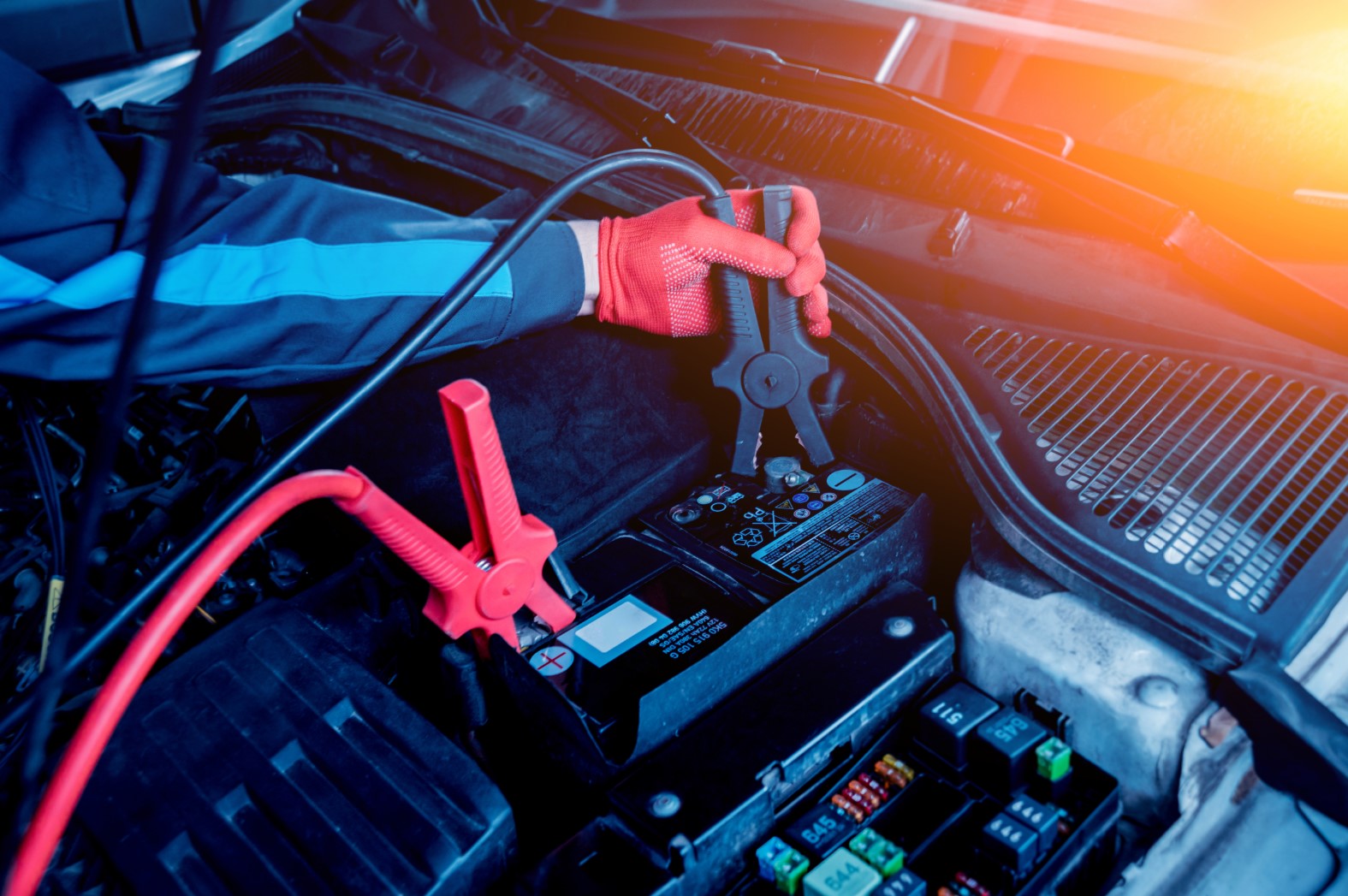
A dead car battery can happen at the worst possible time. One moment your car is fine, and the next it refuses to start. Knowing how to jump start a car is an essential life skill that can save you time, money, and stress. Whether you are stuck at home, in a parking lot, or on the side of the road, understanding the correct and safe way to jump start a car makes a big difference.
This detailed guide from Tech Info Spot explains everything you need to know, even if you have never done it before. We will cover tools, safety rules, step by step instructions, common mistakes, and what to do if jump starting does not work.
What Does Jump Starting a Car Mean?
Jump starting a car means using power from another battery or a portable jump starter to provide enough electricity to start a vehicle with a dead battery. Once the engine starts, the car’s alternator begins charging the battery again.
Learning how to jump start a car does not require mechanical experience, but it does require attention to safety and correct steps.
Common Reasons a Car Battery Dies
Understanding why batteries fail helps prevent future problems.
Leaving Lights On
Headlights or interior lights left on overnight can drain the battery completely.
Extreme Weather
Cold weather reduces battery performance, while heat shortens battery life.
Old Battery
Most car batteries last 3 to 5 years.
Short Trips
Frequent short drives do not give the battery enough time to recharge.
Electrical Issues
Faulty alternators or wiring problems can drain the battery.
Signs Your Car Needs a Jump Start
Before learning how to jump start a car, recognize the warning signs.
- Engine does not crank
- Clicking sound when turning the key
- Dashboard lights flicker or stay off
- Power windows and radio not working
- Car starts slowly or struggles
If these symptoms appear, a jump start may solve the problem.
What You Need to Jump Start a Car
Always keep these items available if possible.
Jumper Cables
Thick, insulated cables with red and black clamps.
A Working Vehicle or Jump Starter
You need either:
- Another car with a charged battery, or
- A portable jump starter pack
Safety Gear (Optional but Helpful)
- Gloves
- Safety glasses
- Flashlight (especially at night)
Safety Rules Before Jump Starting a Car
Safety is critical when learning how to jump start a car.
- Make sure both cars are turned off
- Never touch metal parts of clamps together
- Keep cables away from moving engine parts
- Do not smoke near batteries
- Ensure batteries are not cracked or leaking
If a battery looks damaged, do not attempt a jump start.
How to Jump Start a Car Using Jumper Cables
This is the most common method.
Step 1: Position the Vehicles
Park the working car close to the dead car so cables can reach, but make sure the vehicles do not touch.
Step 2: Turn Off Both Cars
Engines must be off before connecting cables.
Step 3: Open the Hoods
Locate the batteries in both vehicles.
Step 4: Connect the Red Cable (Positive)
- Attach one red clamp to the positive terminal of the dead battery
- Attach the other red clamp to the positive terminal of the working battery
Step 5: Connect the Black Cable (Negative)
- Attach one black clamp to the negative terminal of the working battery
- Attach the other black clamp to an unpainted metal surface on the dead car’s engine block
This grounding step reduces spark risk.
Step 6: Start the Working Car
Let it run for 2 to 5 minutes to send power to the dead battery.
Step 7: Start the Dead Car
Try starting the car with the dead battery. If it does not start, wait a few minutes and try again.
Step 8: Remove the Cables in Reverse Order
- Remove black clamp from engine ground
- Remove black clamp from working battery
- Remove red clamp from working battery
- Remove red clamp from dead battery
This completes the process of how to jump start a car safely.
How to Jump Start a Car Using a Portable Jump Starter
Portable jump starters are convenient and easy.
Step 1: Turn Off the Car
Ensure the vehicle is completely off.
Step 2: Connect the Jump Starter
- Red clamp to positive terminal
- Black clamp to negative terminal or grounding point
Step 3: Turn On the Jump Starter
Follow the manufacturer’s instructions.
Step 4: Start the Car
Once started, turn off the jump starter and disconnect cables.
Portable jump starters are ideal for emergencies and solo drivers.
What to Do After Jump Starting a Car
After successfully learning how to jump start a car, follow these steps.
- Keep the engine running for at least 20 to 30 minutes
- Drive instead of idling if possible
- Avoid turning off the engine immediately
- Visit a mechanic or auto store to test the battery
This ensures the battery has time to recharge.
Common Mistakes to Avoid When Jump Starting a Car
Many people make simple mistakes that can cause damage.
Reversing Cable Connections
Connecting cables incorrectly can damage electronics.
Removing Cables Too Quickly
Always remove cables carefully and in the correct order.
Jump Starting a Damaged Battery
Leaking or swollen batteries are dangerous.
Revving the Engine Excessively
This can damage electrical components.
Can Jump Starting Damage Your Car?
When done correctly, jump starting is safe. However, improper technique can damage:
- Alternator
- Battery
- Electronic systems
- Fuses
That is why understanding how to jump start a car properly matters.
How Long Should You Let a Car Run After a Jump Start?
Ideally:
- Drive for at least 30 minutes
- Avoid short trips afterward
- Recharge or replace the battery if problems continue
When Jump Starting Will Not Work
Sometimes jump starting is not enough.
Possible Reasons
- Completely dead battery
- Faulty alternator
- Loose or corroded battery terminals
- Starter motor failure
If the car still does not start, professional help is needed.
How Often Can You Jump Start a Car?
Jump starting should be a temporary solution. Repeated jump starts mean the battery likely needs replacement.
Battery Maintenance Tips
Prevent future problems by following these tips.
- Clean battery terminals regularly
- Drive your car weekly
- Turn off electronics before shutting off the engine
- Replace old batteries on time
- Keep jumper cables or a jump starter in your car
Jump Starting in Cold Weather
Cold weather makes batteries weaker.
Tips for Winter Jump Starting
- Let the working car run longer
- Turn off heaters and radios
- Allow extra charging time
- Consider a battery warmer
Cold climates increase the need to know how to jump start a car.
Jump Starting Automatic vs Manual Cars
The jump starting process is the same for both. However:
- Manual cars can sometimes be push-started
- Automatic cars cannot be push-started
Always use jumper cables or a jump starter.
Frequently Asked Questions
Can I jump start a car alone?
Yes, with a portable jump starter.
How long do jumper cables last?
Quality cables can last many years if stored properly.
Can hybrid or electric cars be jump started?
Some hybrids can, but always check the owner’s manual.
Is it safe to jump start in the rain?
Yes, if cables are handled carefully and connections are secure.
Myths About Jump Starting a Car
Myth 1: Revving the engine helps charge faster
It does not and may cause damage.
Myth 2: Any cable order works
Incorrect order increases spark risk.
Myth 3: Jump starting fixes all battery problems
It only provides temporary power.
A Simple Emergency Jump Start Checklist
- Park safely
- Turn off engines
- Connect red to positive
- Connect black to ground
- Start working car
- Start dead car
- Remove cables carefully
Memorizing this makes how to jump start a car easier under pressure.
Final Thoughts from Tech Info Spot
Learning how to jump start a car is a basic but powerful skill every driver should have. It helps you stay independent, avoid towing costs, and assist others in need. With the right tools, proper steps, and safety awareness, jump starting a car is simple and safe.
At Tech Info Spot, we believe practical knowledge builds confidence. Keep this guide handy, prepare your car emergency kit, and you will never be caught off guard by a dead battery again.


